2026 How to Choose the Best Women's Hoodies for Export?
Choosing the best women's hoodies for export requires careful consideration. The global market is vast, and women's hoodies come in various styles and materials. Understanding current fashion trends is crucial. Customers seek comfort and style, but quality cannot be overlooked.
When selecting hoodies, think about fabric types. Cotton blends, fleece, and performance materials each offer different benefits. These fabrics impact the final product's feel and durability. Pay attention to stitching quality and finish as well. Flaws may indicate a lack of care in production.
Cultural preferences also play a role. Different regions favor unique designs and fits. Research target markets to cater to their specific needs. Consumer feedback can guide improvements. Being open to suggestions can enhance your product line. The right women's hoodie can lead to successful exports, but it requires thoughtfulness and flexibility.
Factors to Consider When Choosing Women's Hoodies for Export
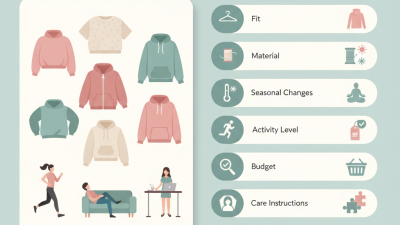
When choosing women’s hoodies for export, several factors must be considered. Quality materials are essential. Look for fabrics that offer comfort and durability. Cotton blends, fleece, and eco-friendly options are popular. Sweatshirts should be soft and breathable. Stitching quality is another key detail. Ensure seams are secure to prevent fraying over time.
Sizing is crucial. Different markets have different standards. Understand the target demographic's size preferences. Offering a variety of sizes can enhance sales potential. Colors and patterns also play a vital role. Trendy designs attract attention, but their popularity can vary. Research seasonal trends before making final decisions.
Lastly, ethical manufacturing practices matter. Consumers are increasingly cautious about sustainability. Factories with fair labor practices build a stronger brand reputation. Transparency in sourcing materials is equally important. Seeking certifications can enhance credibility, but navigating these requirements isn't always straightforward. Balancing these factors can be challenging, yet they significantly impact export success.
2026 Women's Hoodies Export Factors
Assessing Fabric Quality for Women's Hoodies Intended for Export
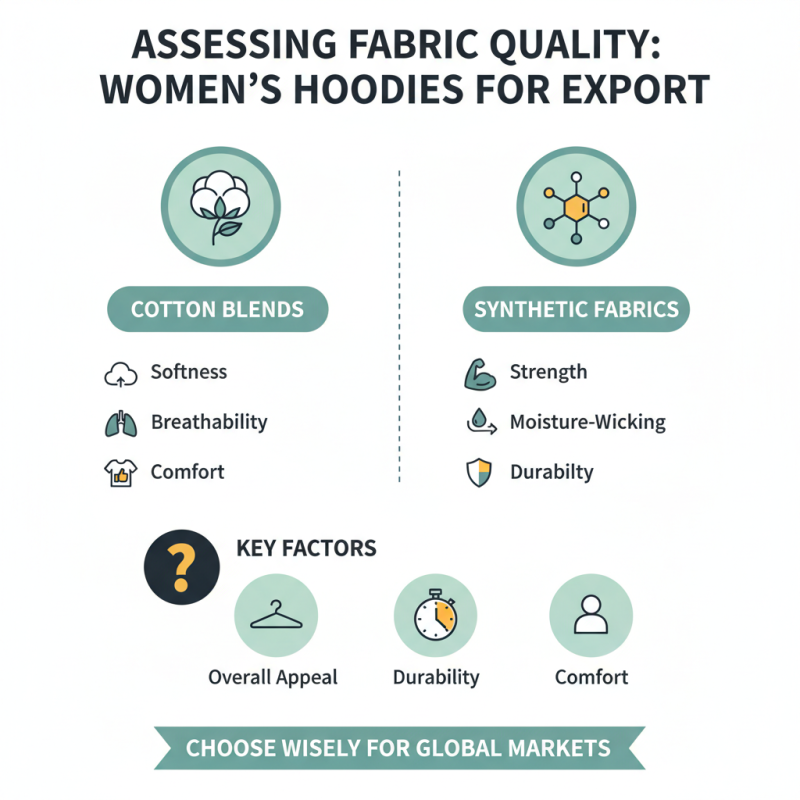
When selecting women's hoodies for export, fabric quality is a key factor. The right fabric affects comfort, durability, and overall appeal. Cotton blends are popular for their softness and breathability. However, synthetic fabrics offer strength and moisture-wicking properties. Understanding these differences can guide your choice.
Test the fabric’s feel. A soft, smooth texture often indicates higher quality. Look for tight weaves and consistent stitching. Poor stitching may lead to seams ripping over time. Perform a stretch test; good fabrics recover without distorting. Also, consider the weight of the material. Heavier fabrics may be warmer but can be less versatile.
Reflect on the importer's preferences. Some markets favor eco-friendly options like organic cotton. Others may prefer blends for cost-effectiveness. Ensure the fabric aligns with customer demands. Not all fabrics will suit every hoodie design. Research market trends to adapt to shifting consumer preferences.
Understanding Market Trends in Women's Hoodie Exports
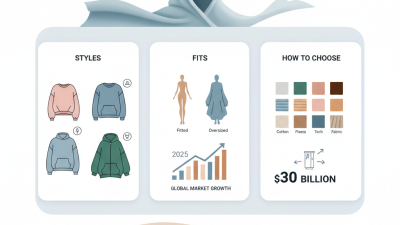
In recent years, the demand for women's hoodies in the export market has grown significantly. This increase reflects a changing lifestyle. Consumers now seek comfortable yet stylish options. Many countries are embracing athleisure wear. This trend shows no signs of slowing down anytime soon.
Understanding market trends is crucial for making informed decisions. Research indicates that sustainability is a key factor. Eco-friendly materials are in high demand. Designers who prioritize these materials attract more customers. However, many brands struggle to balance style and sustainability. This can lead to missed opportunities in entering the market.
Data suggests that personalization can enhance appeal. Custom designs resonate well with consumers. Yet, not every brand knows how to implement this effectively. Feedback from target markets can reveal gaps in offerings. Ignoring this can result in unsold inventory. Brands must consistently adapt to shifting preferences to thrive.
2026 How to Choose the Best Women's Hoodies for Export? - Understanding Market Trends in Women's Hoodie Exports
| Country |
Export Volume (Units) |
Average Price (USD) |
Growth Rate (%) |
Popular Styles |
| USA |
1,200,000 |
35 |
8 |
Pullover, Zip-Up |
| Germany |
800,000 |
40 |
10 |
Crop, Oversized |
| UK |
900,000 |
30 |
7 |
Graphic, Plain |
| Canada |
600,000 |
37 |
5 |
Hooded, Fleece |
| Australia |
500,000 |
32 |
6 |
Athletic, Casual |
Evaluating Sizing Standards and Fit for International Markets
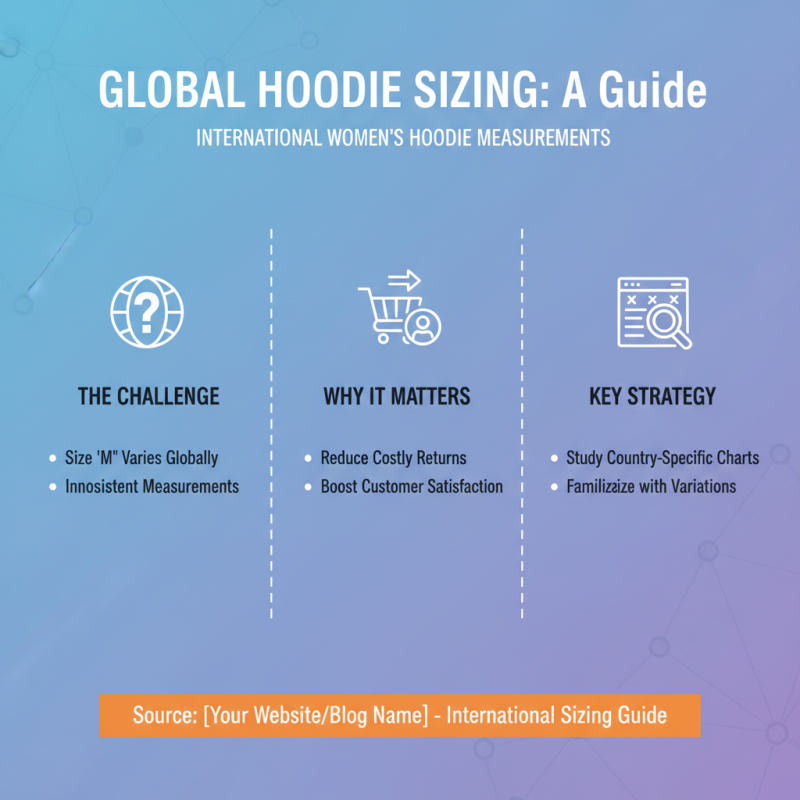
When evaluating sizing standards for women’s hoodies in international markets, understanding various size charts is critical. Different countries have unique measurements and clothing sizes. For instance, a size medium in one country may differ from that in another. Familiarizing yourself with these variations helps avoid costly returns and boosts customer satisfaction.
Fit is equally important. Women's body shapes vary significantly across regions. A style that suits one demographic may not flatter another. Conducting surveys or focus groups can reveal preferences. Some women prefer a loose fit, while others seek a more tailored silhouette. Listening to your target audience is essential. This can guide design choices and ensure the product resonates with local tastes.
Moreover, the fabric choice impacts fit. Stretchy materials often provide a more forgiving fit, accommodating different body shapes. On the other hand, rigid fabrics might require more precise sizing. Testing prototypes on diverse body types can highlight potential issues early on. Being open to feedback and willing to adjust designs is crucial for success in any market. Understanding these nuances aids in creating hoodies that appeal to a broader audience.
Compliance with Export Regulations and Certifications for Apparel
When exporting women's hoodies, compliance with regulations is crucial. Each importing country has specific standards that garments must meet. According to the International Trade Center, over 60% of apparel imports are scrutinized for quality and safety. Understanding these requirements is essential for successful export.
It's vital to secure the necessary certifications. For instance, Oeko-Tex certification ensures textiles are free from harmful substances. Reports indicate that around 30% of consumers are willing to pay more for certified apparel. This data highlights the market's shift toward ethical sourcing and sustainability.
Manufacturers must also be aware of labeling regulations. Clear and accurate labels help avoid misunderstandings and potential penalties. Mislabeling can lead to returns and a damaged reputation. Ensuring all details are correct is a necessity, not an option. Each step in compliance affects not just entry into markets but the overall business image.