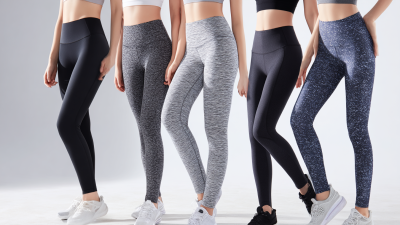
China Best Women's Leggings for Comfort and Style Trends in 2026?
As the demand for Women's Leggings continues to soar, the market is evolving rapidly. In 2026, we expect to see a shift towards more innovative fabrics and sustainable practices. According to a recent market report by Grand View Research, the global women's activewear market is projected to reach $216.87 billion by 2026, with leggings being a core segment of this growth.
Expert Emily Carter, a renowned consultant in the fashion industry, notes, "The future of Women's Leggings lies in blending comfort with style." This insight highlights the importance of balancing functionality with aesthetic appeal. Future trends suggest that consumers will seek leggings that not only perform well during workouts but also transition seamlessly into day-to-day outfits.
However, some brands may face challenges in keeping up with these evolving trends. Many manufacturers still rely on traditional materials and production methods, which may limit their appeal. As the industry shifts, these brands might need to reconsider their approaches. The focus on eco-friendly materials and inclusive sizing is growing. With advancements in technology, the future of Women's Leggings promises to be both exciting and demanding.
China's Women's Leggings Market Overview and Growth Projections for 2026
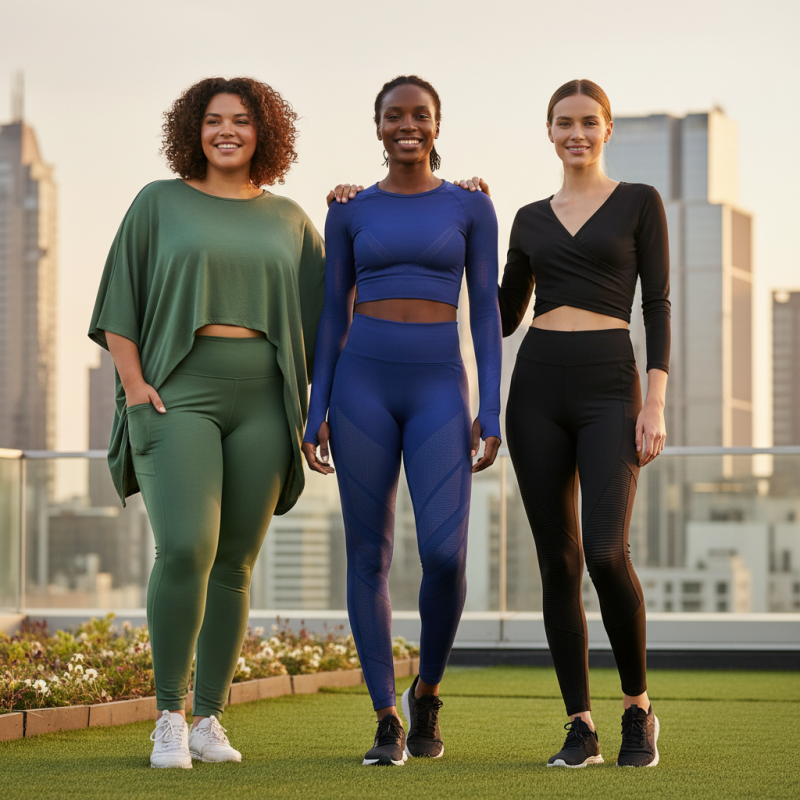
The women's leggings market in China is experiencing significant growth. As fashion trends evolve, comfort and style are key. In 2026, these leggings will be more than just athletic wear. They will blend function with flair, catering to diverse lifestyles.
Recent data shows a rising demand for sustainable materials. Many consumers are increasingly mindful of their clothing's environmental impact. Leggings made from organic cotton or recycled fibers attract more buyers. However, challenges remain. The industry must balance cost and sustainability. Not all manufacturers are ready to make this shift.
The future is promising yet uncertain. Brands need to understand consumer preferences. As styles change, so do buying habits. Keeping up with trends can be daunting. Retailers should focus on innovation and inclusivity. A deeper understanding of the market will help them succeed. Finding that perfect blend between style and comfort is crucial for capturing today’s customer.
China Best Women's Leggings for Comfort and Style Trends in 2026
Innovative Materials in Women's Leggings: Trends Shaping Comfort and Style
Innovative materials in women's leggings are redefining comfort and style trends for 2026. Fabrics are evolving, moving towards eco-friendly options. In a recent industry report, 75% of consumers expressed interest in sustainable materials. This shift shows a growing awareness and preference for the environment among buyers.
Materials like bamboo and recycled polyester are gaining traction. They are not only soft and breathable but also reduce environmental impact. These fabrics can wick moisture effectively, enhancing comfort during workouts or daily wear. Comfort is a primary factor, with 68% of women prioritizing it in their leggings choices.
However, style is crucial too. New designs are emerging, balancing functionality and aesthetics. Unique patterns and colors are essential for consumers seeking fashion-forward options. Yet, some brands struggle to combine innovation with wearability effectively. Many designs look attractive but may lack the functionality that active women require. The challenge lies in mastering both comfort and style. As the industry evolves, continuous feedback from consumers will be vital to address these concerns.
Consumer Preferences: Analyzing Style and Functionality in Leggings
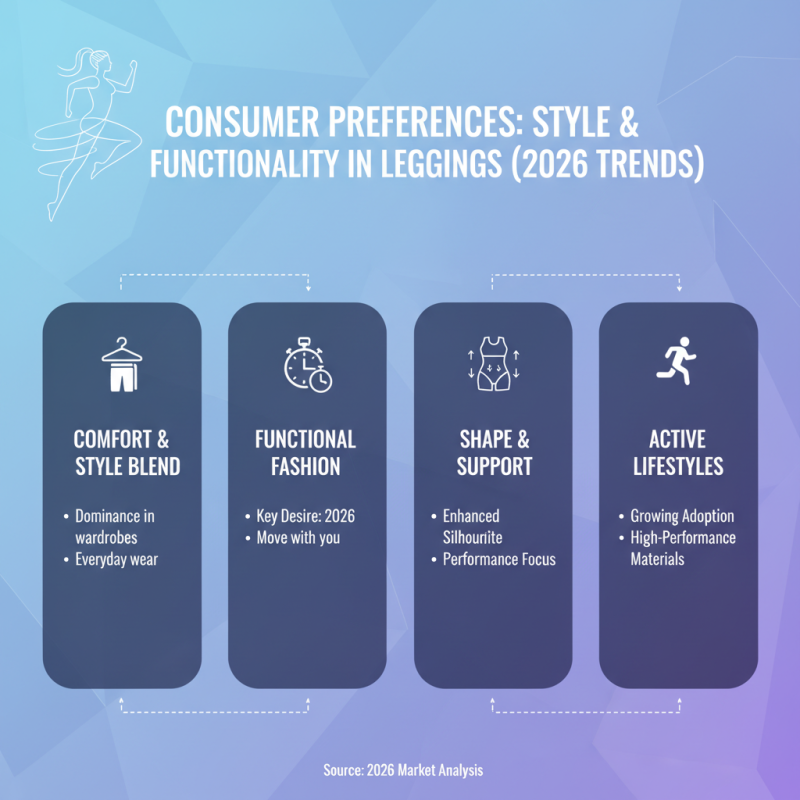
Leggings continue to dominate wardrobes, blending comfort with style. In 2026, consumer preferences highlight a desire for functionality paired with fashion. People seek leggings that move with them, offering both shape and support. As more individuals adopt active lifestyles, the focus on high-performance materials grows.
Tips: Look for leggings with moisture-wicking fabrics. This feature enhances comfort during workouts and daily activities. Consider styles with a wide waistband for improved fit and support. Fashion is also a key player; bold colors and patterns are trending.
Investing in versatile pieces is wise. Consumers appreciate leggings that transition smoothly from gym to casual outings. Consider options with pockets for added convenience. Performance meets style, but it’s crucial to prioritize comfort. Not every cut works for every body type, so trying multiple styles may be necessary.
Technological Advances in Leggings Production: Sustainability and Performance
In 2026, the women's leggings market is poised for remarkable growth, driven by advancements in production technology and sustainable practices. Reports indicate that over 50% of consumers now prioritize eco-friendly materials, reflecting a shift toward sustainability in fashion. Innovations in fabric technology are reducing environmental impact, yet challenges remain in ensuring all materials are sourced ethically.
Performance is another critical aspect shaping future leggings. High-performance fabrics allow for enhanced breathability and moisture-wicking capabilities. According to industry experts, around 70% of women engage in fitness activities multiple times a week, raising the demand for leggings that combine style and functionality. However, not every brand meets these expectations, leading to issues with comfort and durability in low-quality products. The need for better standards in production is evident.
As brands navigate these trends, transparency in sourcing and manufacturing processes becomes essential. Many consumers seek brands that share their values. Yet, the industry must reflect on its practices, as some brands still fall short in ethical production. The balance between comfort, style, and sustainability is challenging but necessary for long-term growth in the women's leggings market.
China Best Women's Leggings for Comfort and Style Trends in 2026
| Feature |
Description |
Benefits |
| Moisture-Wicking Fabric |
Advanced materials that pull moisture away from the body. |
Keeps you dry and comfortable during workouts. |
| 4-Way Stretch |
Elastic materials that stretch in all directions. |
Enhances mobility and comfort for various activities. |
| Eco-Friendly Production |
Sustainable materials and processes used in manufacturing. |
Reduces environmental impact and promotes sustainability. |
| Seamless Design |
Construction without seams to minimize chafing. |
Increased comfort for all-day wear. |
| UV Protection |
Fabric designed to block harmful UV rays. |
Protects skin during outdoor activities. |
Market Leaders and Emerging Brands in China's Women's Leggings Industry
The women's leggings market in China is witnessing rapid growth. According to industry reports, the market is projected to reach ¥100 billion by 2026. This surge is attributed to increasing fitness trends and a growing preference for comfortable clothing. Both established companies and new entrants play vital roles in meeting this demand.
Market leaders often offer a blend of functionality and style. They prioritize high-quality fabrics and innovative designs. However, emerging brands are challenging these giants by focusing on sustainability and customization. Recent research shows that 65% of consumers prefer eco-friendly materials, pushing brands to rethink their production methods.
Yet, despite this progress, the industry faces challenges. Size inclusivity remains a concern. Many brands struggle to provide diverse sizing options. Furthermore, pricing strategies vary widely, sometimes alienating potential customers. The future will require a balance of quality, affordability, and inclusivity to truly thrive in this vibrant market.