Where to Buy Mens Tank Tops Wholesale in China?
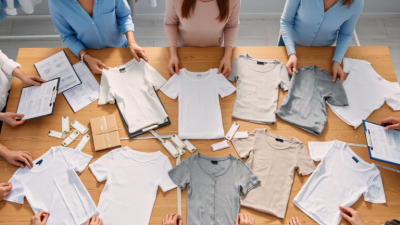
Sourcing Men's Tank Tops wholesale in China can offer access to varied fabrics, cuts, and production volumes. The best supplier is not always the one with the lowest quoted price. A useful search may include established apparel manufacturers in Guangdong and Zhejiang, as well as verified sourcing platforms and trade fairs. Compare each option against your product needs, not just its catalog photos. Small details matter: neckline binding, armhole stitching, fabric weight, and how a sample holds its shape after washing.
Start by asking suppliers for clear specifications, recent product photos, sample costs, minimum order quantities, and production timelines. Confirm whether quoted prices include labels, packaging, and shipping. If possible, request a physical sample in your intended fabric and color. Check seams under bright light, stretch the fabric gently, and compare measurements with your size chart. Simple checks. They can prevent costly misunderstandings. For larger orders, consider an independent factory inspection and agree on acceptable quality standards in writing. A polished catalog is not proof of consistent production.
China has many capable garment suppliers, but quality and communication vary. A fast reply does not guarantee a reliable delivery. Even careful checks cannot remove every surprise; fabric may feel different in bulk, or a shipment may take longer than expected. Build time for revisions, keep written records, and verify shipping terms before paying a deposit. This guide explores practical ways to find and assess wholesale sources, so buyers can make informed decisions with fewer assumptions and clearer expectations.
Choose a Wholesale Sourcing Route: Factories, Trading Firms, or B2B Platforms
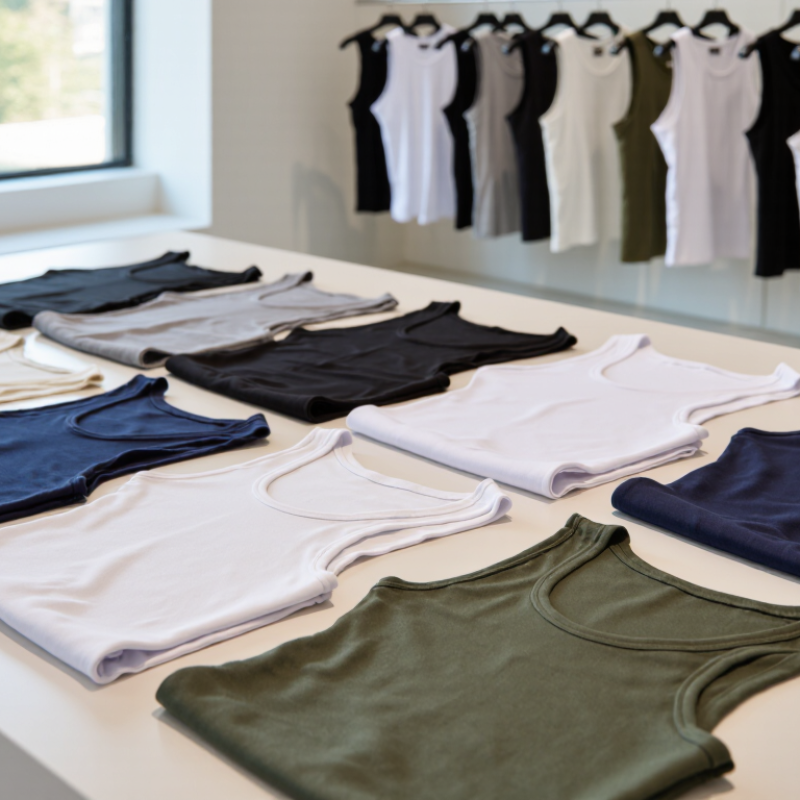
Factories suit buyers who need repeat orders, custom fits, or control over fabric weight. Ask for the minimum order quantity, sample cost, and production lead time before discussing price. Request a size chart and details such as cotton blend, fabric weight, and seam finish. Samples reveal much. Check how the neckline holds its shape after washing, not just how it looks on a hanger.
Trading firms can be useful when you need several styles or smaller quantities from different workshops. They may coordinate sampling, packing, and communication, but confirm who handles quality checks. Ask whether inspection costs are included and which factory will make your order. A polished sample can still hide uneven stitching in bulk production. That is easy to overlook.
B2B platforms help compare suppliers by product range, stated capacity, and response time. Treat a listing as a starting point, not proof of performance. Request a current video of the workshop, written specifications, and a sample sent for review. Compare the sample against the final order sheet. No route is perfect. A low quote may exclude labels, packaging, or freight, so list those costs before choosing a supplier.
Compare Apparel Suppliers in Guangdong, Zhejiang, and Jiangsu
Guangdong, Zhejiang, and Jiangsu offer different strengths for buyers sourcing men’s tank tops wholesale. Guangdong has dense garment-making and export networks, which can make sampling and production coordination convenient. Zhejiang suppliers may be worth comparing for knit fabrics and flexible order discussions. Jiangsu has a broad textile base, useful when fabric specifications matter as much as sewing. These are tendencies, not guarantees. No province wins every order.
Ask each supplier for a current fabric swatch, target fabric weight, size chart, and written minimum order quantity. For tank tops, inspect the armhole binding, neckline recovery, side seams, and hem stitching. A sample that looks smooth on a table may twist after washing. Request a wash test and check shrinkage before approving bulk production. Small details matter.
Compare quotes using the same fabric, color count, packaging, and delivery terms. A lower unit price may exclude labels, inspection, or shipping. I would not choose by province alone; factory capacity and communication often matter more. Even a detailed checklist can miss something. Confirm sample and production timelines in writing, then ask how defects are handled. If possible, visit the factory or arrange an independent inspection. A video call helps, but it cannot replace every physical check.
Specify Fabric by Fiber Blend, Knit Type, and GSM Weight
When sourcing mens tank tops wholesale in China, specify fabric beyond “cotton” or “polyester.” State the fiber blend by percentage, such as 95% cotton and 5% elastane, and confirm whether the figures apply to the finished fabric. A small elastane share can improve stretch, while a cotton-rich blend may feel softer against the skin. Ask for a swatch and check its hand feel, opacity, and recovery after stretching. Small details matter.
Name the knit type, too. Single jersey is common for lightweight tanks, while rib knit offers more stretch and a closer fit. Interlock usually feels denser and more stable. Then check GSM, or grams per square meter. Around 140–160 GSM can suit a light summer style; 170–200 GSM often gives more coverage. These are working ranges, not guarantees. Yarn, finishing, and construction all affect the result.
GSM is not a comfort score. A heavier fabric may feel sturdy but run warm, and a lightweight one may become sheer when stretched. Request a pre-production sample in the intended color, then wash and measure it for shrinkage, twisting, and changes in hand feel. Put the approved blend, knit, GSM tolerance, and sample reference in the purchase specification. One detail is easy to overlook: even matching GSM can produce a different feel across suppliers.
Evaluate MOQ, Sample Costs, and Production Lead Times
China is a major apparel sourcing hub. China’s textile and apparel exports totaled about US$293.6 billion in 2023, according to figures cited by the China National Textile and Apparel Council. That scale offers buyers many factory options, but it does not guarantee low minimum order quantities or fast delivery.
For men’s tank tops, ask suppliers to quote the MOQ by fabric color, not just total units. A 500-piece order split across five colors may require separate dye lots. Request prices for a fit sample and a pre-production sample, and confirm whether sample fees can be credited toward the bulk order. Specify fabric weight, rib binding, stitching, and measurement tolerances. Small details matter. Lead times should be broken into fabric sourcing, sample approval, bulk sewing, and shipment. Stock fabric may shorten production; custom dyeing can add days or weeks. Ask when the clock starts. Is it after deposit, fabric confirmation, or sample approval? Get each milestone in writing, while allowing extra time for revisions. Suppliers’ estimates are not always comparable.
Tips: Send one reference garment or a clear measurement sheet. Ask for dated sample and production schedules. Check whether holidays or fabric delays are excluded; they often are.
Where to Buy Mens Tank Tops Wholesale in China? - Evaluate MOQ, Sample Costs, and Production Lead Times
| Sourcing Option |
Typical Tank Top |
Indicative MOQ |
Sample Cost (USD) |
Sample Lead Time |
Bulk Production Lead Time |
Best Suited For |
| Garment factory in Guangdong |
Basic cotton jersey, regular fit |
300–500 pieces per style; color minimums may apply |
$20–$60 per sample, plus shipping |
7–12 working days |
25–40 working days |
Repeat orders, private-label basics, and buyers seeking a broad choice of trims and printing services |
| Knitted-apparel supplier in Zhejiang |
Cotton or cotton-blend ribbed tank |
300–600 pieces per style |
$25–$70 per sample, plus shipping |
7–14 working days |
30–45 working days |
Orders that need fabric or fit adjustments and coordinated knitwear production |
| Sportswear manufacturer in Fujian |
Polyester or poly-spandex training tank |
500–1,000 pieces per style |
$30–$90 per sample, plus shipping |
8–15 working days |
30–50 working days |
Performance styles requiring moisture-wicking fabrics, stretch, or athletic construction |
| Small-batch cut-and-sew workshop |
Simple cotton or cotton-blend tank |
100–300 pieces per style, subject to fabric availability |
$30–$100 per sample, plus shipping |
7–14 working days |
20–35 working days |
Market testing, limited collections, or buyers placing a first order with straightforward specifications |
| Custom-development factory |
Custom fit, fabric, labels, and packaging |
500–1,000 pieces per style; custom fabric may require more |
$50–$150 per sample, plus shipping |
10–20 working days |
35–60 working days |
Distinctive designs, custom patterns, and orders needing several rounds of development or approval |
These are indicative planning ranges for wholesale production in China, not supplier quotations. Actual MOQ, sample charges, and lead times depend on fabric stock, order quantity, customization, and the production calendar. Confirm whether sample fees are refundable or creditable against a bulk order, and whether lead times begin after sample approval and deposit.
Set AQL 2.5 Quality Checks and Verify Textile Export Compliance
Where to Buy Mens Tank Tops Wholesale in China?
Set AQL 2.5 Quality Checks and Verify Textile Export Compliance
When sourcing men’s tank tops from a Chinese wholesaler, agree on inspection rules before bulk production starts. AQL 2.5 is a sampling plan, not a promise that every garment will be defect-free. Ask the supplier to confirm the inspection level, lot size, sample size, and acceptance numbers in writing. Small checks matter. Inspect stitching at the armholes, neckline binding, side seams, and hem. Measure several sizes against the approved spec sheet, and check fabric weight and color under consistent lighting.
An independent pre-shipment inspection can compare finished goods with the approved sample. Record major defects, such as open seams, alongside minor issues like loose threads. AQL results depend on the sampling plan and agreed criteria; they do not replace clear workmanship standards. Not a perfect shield. Shade differences can be hard to judge, so set tolerances and keep dated photos. If a lot fails, agree on correction and reinspection before release.
Verify export paperwork and destination-market requirements separately from product quality. Request fiber-composition records and applicable test reports, such as colorfastness or restricted-substance testing where required. Check that care labels, size labels, and carton details match the order and destination rules. Keep inspection reports, test documents, and approved artwork together. A document can look complete and still be outdated, so verify its scope and issue date with the testing provider.
Where to Buy Men’s Tank Tops Wholesale in China?
Use buyer-selected AQL limits and verify destination-market textile requirements before shipment.
How to read this chart: The example uses commonly selected garment-inspection limits: AQL 0 for critical defects, 2.5 for major defects, and 4.0 for minor defects. AQL is a sampling-plan index, not a promise that a shipment’s actual defect rate will stay below that percentage. Determine sample size and acceptance numbers using the applicable lot size and inspection plan, such as ISO 2859-1.
Export checks: Confirm fiber-content and care-label rules for the destination market, required product-safety documentation, and any applicable chemical restrictions. Requirements vary by market and product.