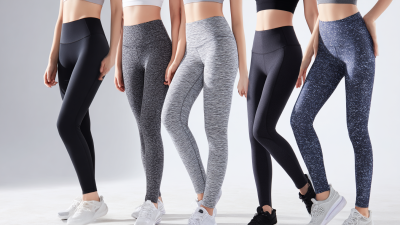
How to Choose Women's Leggings for Wholesale?
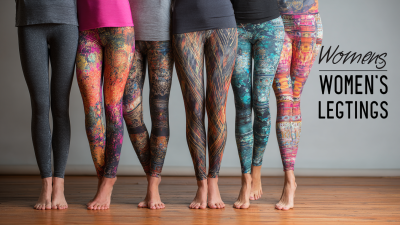
Choosing Women’s Leggings for wholesale requires more than comparing prices on a supplier spreadsheet. Buyers must examine fabric quality, fit consistency, production controls, and customer expectations. A low unit cost can become expensive when seams split, waistbands roll, or black fabric turns gray after washing.
Chip Wilson, founder of lululemon, once emphasized, “The fabric is the most important thing.” That principle remains practical. Wholesale buyers should check fabric composition, weight, stretch recovery, and opacity under bright light. A sample should survive squats, repeated stretching, and several wash cycles. Pay close attention to the gusset, flatlock seams, and waistband stitching. Small details matter.
The supplier also deserves careful review. Ask for factory information, quality inspection records, and current certifications, such as OEKO-TEX or GRS, when relevant. Verify certificates directly. Do not rely only on polished product photos or confident sales messages. A reliable supplier should explain minimum order quantities, size grading, color tolerances, lead times, and defect policies clearly.
There is no perfect checklist.
Some buyers still overlook fit testing across different body shapes. That mistake can weaken an entire collection. Test samples on several sizes, not only a standard medium. Record measurements, fabric behavior, and customer feedback before placing a large order. Pricing remains important, but dependable quality, ethical production, and repeatable sizing build stronger wholesale value. The best Women’s Leggings purchase is not always the cheapest one. It is the option that performs consistently after customers wear, wash, and judge it.
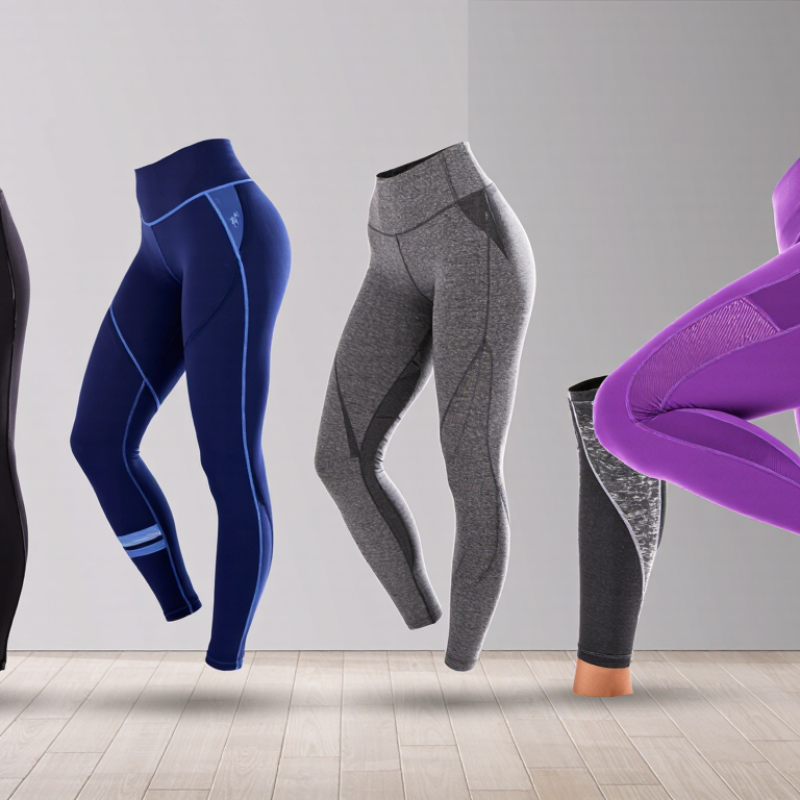
Define Your Wholesale Market and Customer Needs
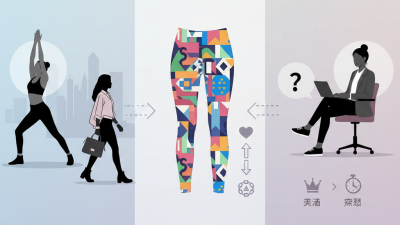
Choosing women’s leggings for wholesale starts with a clear definition of your market. A fitness studio needs squat-resistant fabric, flexible seams, and frequent replenishment. A fashion retailer may prefer softer colors, sculpting panels, and seasonal designs. Online sellers often need compact packaging and dependable size photography. These needs are different.
Study your customers before discussing price. Review sales records, return reasons, and inquiries from the past six months. Note popular sizes, preferred rises, fabric weights, and color choices. Ask whether buyers exercise outdoors, train indoors, or wear leggings casually.
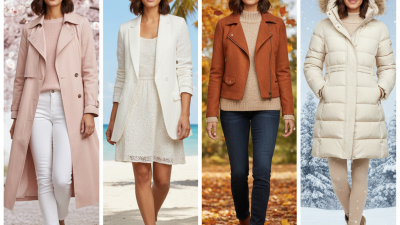
Climate matters too. Lightweight fabrics suit warm regions, while brushed interiors may perform better in colder areas. Small details affect repeat orders.
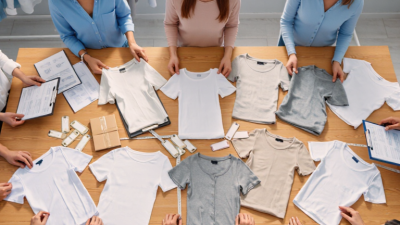
Test samples with real movement. Check waistband recovery after stretching, seam comfort during squats, and opacity under bright light. Request fabric composition, care instructions, and production quality records from suppliers.
A practical wholesale plan should match your customers’ budget and expected retail price.
My first forecast once favored bright colors, but neutral shades sold faster. That mistake taught me to trust evidence over assumptions. Still, customer feedback can be incomplete, especially with small order volumes. Keep testing before committing to large quantities.
Compare Leggings Fabrics, Fits, and Functional Features
When choosing women’s leggings for wholesale, compare fabric before judging appearance. Nylon blends usually offer smooth handfeel, strong stretch, and better shape recovery. Polyester blends can dry quickly and control costs. Cotton feels soft but may hold moisture during intense workouts. A medium-weight fabric often balances coverage, comfort, and shipping weight. Check the fabric’s GSM, stretch direction, opacity, and resistance to pilling. A glossy finish may attract attention, but it can reveal fit problems under bright light.
Fit must match the customer’s intended use. High-rise waistbands should stay flat without digging into the stomach. Four-way stretch supports movement during squats, walking, and studio training. Review the size grading carefully. Small pattern changes can create tight knees or excess fabric at the ankles. Test several body shapes, not only one sample model. In practical wear tests, squat checks and repeated washing reveal more than a showroom fitting. A fabric may feel luxurious at first, yet lose recovery after a few washes. That is an easy mistake.
Tips: Request samples in several sizes. Measure waistband recovery after stretching. Check whether seams rub during movement. Useful features include a secure gusset, hidden drawcord, phone pocket, and flat seams. Avoid adding details without a clear purpose. Extra zippers can increase returns when they feel bulky. Ask suppliers for test data, care instructions, and colorfastness results. Keep records for every production batch. Small inconsistencies can become large wholesale problems.
Evaluate Suppliers, Quality Standards, and Customization Options
Choosing women’s leggings for wholesale starts with supplier evidence, not attractive photos. Request factory audits, production capacity, lead times, and recent test reports. Check whether the supplier controls fabric knitting, dyeing, sewing, and final inspection. Ask for a pre-production sample. Then test opacity, stretch recovery, seam strength, waistband rolling, and colorfastness after washing. A low price may hide inconsistent sizing or weak fabric.
Quality standards need practical verification. OEKO-TEX Standard 100 can help assess harmful substances, while GRS or GOTS may support recycled or organic material claims. Certifications should match the actual fabric and production site. Textile Exchange’s 2024 Materials Market Report reported 124 million tonnes of global fiber production in 2023. It projects about 160 million tonnes by 2030. Material traceability will become harder, not easier. Keep transaction certificates and test results. Do not rely on logos alone.
Customization should be specific. Define fabric weight, compression level, gusset shape, pocket depth, logo placement, size grading, and packaging details. A 250–300 GSM fabric may feel supportive, but thickness alone does not guarantee squat-proof performance. Request samples in multiple sizes and test movement, sweat exposure, and repeated washing. The NRF’s 2024 retail report estimated that 16.9% of U.S. retail sales were returned. Poor fit can become an expensive problem. I would still revise the first bulk order after real customer feedback. Perfect specifications on paper can fail in daily wear.
How to Choose Women's Leggings for Wholesale
Suggested evaluation weighting for suppliers, quality standards, and customization options
Quality compliance and fabric performance receive the highest weights because wholesale leggings should maintain consistent fit, stretch recovery, opacity, colorfastness, and seam durability across production batches. Supplier reliability, customization capability, minimum order quantity, pricing, and lead time should then be compared according to the buyer’s sales model.
Calculate Wholesale Costs, Minimum Orders, and Profit Margins
How to Choose Women’s Leggings for Wholesale?
Wholesale leggings should be judged by landed cost, not factory price alone. Include fabric, sewing, labels, packaging, freight, inspection, payment fees, and expected defects. According to Grand View Research’s 2024 report, the global activewear market reached about USD 412.3 billion in 2023. It also projects a 9.3% compound annual growth rate from 2024 to 2030. Demand looks strong, but strong demand does not guarantee profit.
For example, 500 pairs at USD 7.20 cost USD 3,600. Freight adds USD 550, packaging adds USD 200, and inspection costs USD 150. The landed cost becomes USD 9 per pair. Selling at USD 14.50 creates USD 5.50 gross profit, or a 37.9% gross margin.
That calculation excludes storage and returns. I have seen buyers miss these costs. The spreadsheet looked profitable. The warehouse disagreed. Confirm the minimum order quantity before sampling. A 1,000-piece MOQ may reduce the unit price, but it can trap cash in slow colors and sizes.
Tips:
- Ask for a full cost sheet.
- Test stretch recovery after repeated washing.
- Request size measurements, fabric weight, and colorfastness results.
- Compare at least three quotations.
- Track defect rates from the first shipment.
A practical starting MOQ is often 300–500 pieces per color, but supplier capacity and fabric availability can change it. Recheck margins after freight quotes arrive, because estimates are often too optimistic.