Top Tips for Sourcing Women's Leggings Effectively?
In the competitive world of fashion, sourcing Women's Leggings effectively is crucial for success. Renowned industry expert, Sarah Patel, once said, "The best leggings combine comfort, style, and durability." This insight encapsulates the essence of what consumers seek. With an ever-growing demand for active wear, understanding market trends is essential.
Selecting the right supplier can be challenging. Factors like fabric quality, price, and ethical practices influence choices. Many companies struggle with finding reliable manufacturers that match their vision. This can lead to inconsistent product quality. It's not just about aesthetics; performance matters too. Customers often seek leggings that support their active lifestyles, yet many suppliers fail to deliver on this front.
A focus on customer feedback is vital. Engaging with clients helps identify their preferences. This process can uncover gaps in the market and spark innovation. In sourcing Women's Leggings, understanding your target audience can drive better decisions. Many brands overlook this, potentially missing opportunities for growth. Reflecting on these aspects can steer companies toward sourcing success.
Understanding the Market Trends in Women's Leggings Sourcing
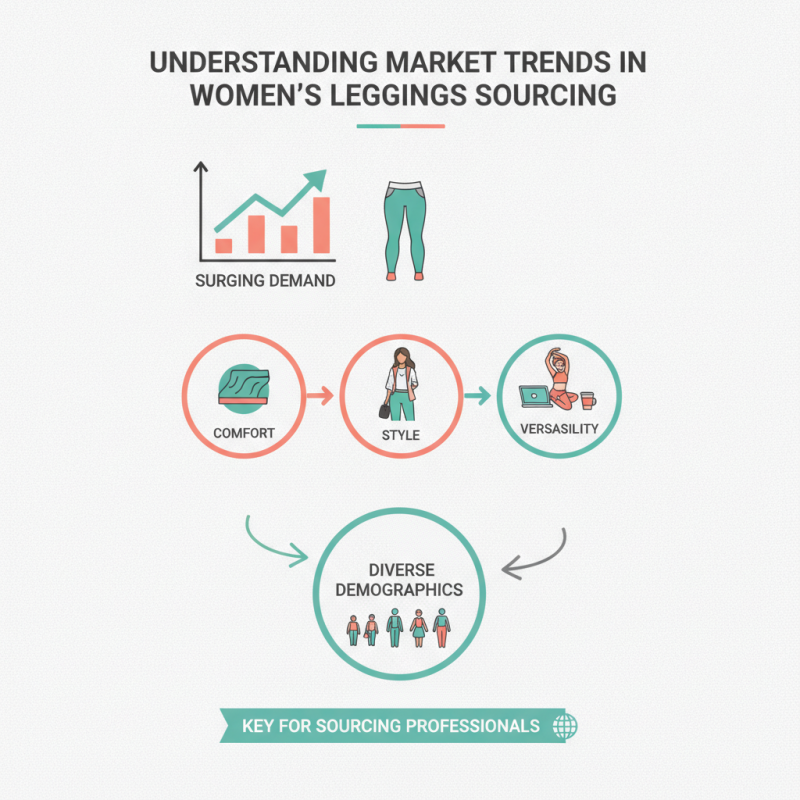
Understanding the market trends in women's leggings sourcing is crucial for success. The demand for women's leggings has surged over the past few years. Consumers seek a blend of comfort, style, and versatility. This has led to a growing market that caters to various demographics. As sourcing professionals, staying attuned to these trends is vital.
Materials play a significant role in this sector. Cotton, polyester, and spandex are popular choices. Sustainable options are gaining traction as eco-conscious consumers seek environmentally friendly products. Fabrics that wick moisture and provide adequate stretch are also high in demand. Integrating innovation, like antimicrobial technologies, can set offerings apart from competitors.
Pricing strategy cannot be overlooked. Price points fluctuate based on material quality and design complexity. Understanding your target audience helps in setting a suitable price range. Engaging with end-users for feedback can highlight potential areas of improvement. Being open to continuous learning about evolving preferences is key in maintaining market relevance.
Identifying Reliable Suppliers for Women's Leggings
Sourcing women's leggings is crucial for businesses aiming to offer quality products. Identifying reliable suppliers can be challenging. It's important to evaluate their reputation. Look for suppliers with positive feedback. Check their track record for delivering on time.
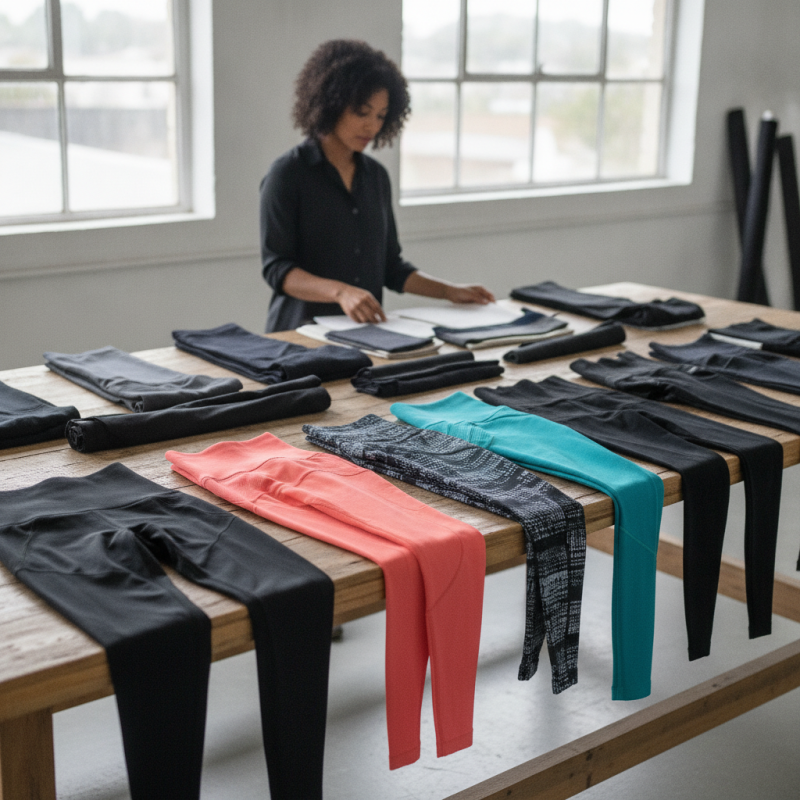
When assessing potential partners, consider fabric quality. Quality materials influence comfort and durability. Request samples before placing large orders. This step helps in determining the right fit for your brand. Additionally, communicate your expectations clearly.
Transparency can prevent misunderstandings down the line. Networking is also valuable. Attend trade shows or industry events. Meeting suppliers in person fosters trust. You can gauge their professionalism directly.
Don't hesitate to ask for references. Speak to other retailers who have worked with them. Their insights could reveal potential red flags you might miss otherwise. Be prepared to walk away if a deal feels off.
Prioritizing reliability ensures long-term success.
Assessing Quality and Material Options for Leggings
When sourcing women's leggings, assessing quality and material options is crucial. High-quality leggings often feature a blend of materials that provide comfort, durability, and stretch. Look for fabrics like polyester and spandex, which offer excellent elasticity. Cotton blends can be soft but may lack the durability needed for active wear.
Pay attention to the weight of the fabric. Heavier materials can provide better support and coverage, while lighter fabrics may be more breathable. Check the leggings for opacity. A quality pair should not be see-through when stretched. Consider the stitching and seams as well; flatlock seams can enhance comfort and reduce chafing.
It's essential to consider the intended use of the leggings. For workouts, moisture-wicking materials are beneficial. If they're for casual wear, softer cotton blends might suffice. Don't overlook the potential downsides; lower-quality materials may not hold their shape after washing. This can lead to frustration with fit and comfort over time. Always request samples when possible. Evaluating a product in person can provide insights that online reviews may miss.
Negotiating Prices and Terms with Leggings Manufacturers
Negotiating prices and terms with leggings manufacturers requires a strategic approach. The global activewear market is projected to reach
$546 billion by 2024, driven by the increasing popularity of leggings. Understanding market trends can give you leverage in negotiations.
For instance, a report from Statista highlighted that women’s leggings accounted for 18% of the overall activewear sales in the U.S. in 2022.
This data underscores the demand and the potential for profitability in this segment.
When discussing prices, being aware of the manufacturer's production costs is crucial. Many manufacturers face fluctuating raw material prices.
Industry analysts suggest negotiating with these considerations in mind. Requesting samples can help evaluate quality before finalizing orders.
This step not only demonstrates commitment but also allows you to discuss pricing adjustments based on the quality observed in samples.
Pay attention to lead times and minimum order quantities, as these can significantly affect overall cost.
Communication is key in these discussions. Be clear about your expectations and any potential challenges.
Negotiating flexible terms, such as payment plans or bulk discounts, can also prove beneficial.
Remember, building a strong relationship with manufacturers might lead to better pricing in future collaborations.
Use contract clauses wisely to safeguard your rights and ensure that both parties are on the same page.
Exploring Sustainable Practices in Leggings Sourcing
Sourcing women's leggings sustainably requires a thoughtful approach. Start by investigating materials that have a lower environmental impact. Organic cotton, recycled fabrics, and eucalyptus-based fibers like Tencel are excellent choices. These materials minimize resource usage and chemical exposure during production.
Consider the sourcing process itself. Look for suppliers who prioritize ethical labor practices. Transparency in the supply chain is critical. It can be challenging to find manufacturers who uphold these values. Rely on certifications and third-party audits to verify claims. Engage in dialogue with suppliers to understand their practices better.
Always be prepared for the unexpected. Sometimes, suppliers may face challenges in adhering to sustainable practices. This could stem from financial limitations or lack of access to eco-friendly resources. Reflect on these realities and be open to adjusting your sourcing strategy. Exploring alternatives that balance sustainability and quality will lead to better outcomes in the long run.
Top Tips for Sourcing Women's Leggings Effectively
This graph illustrates the popularity of various sustainable materials used for sourcing women's leggings. The data highlights the growing trend towards organic and recycled materials, showcasing the shift in consumer preferences towards sustainability.