Women's Shorts come in more forms than a quick glance at a store rack suggests. A few inches can change how a pair feels and looks. Rise, inseam, fabric, and leg shape all matter. Fit matters.
Fashion designer Coco Chanel is often credited with saying, “Fashion is architecture: it is a matter of proportions.” That idea applies to shorts, too. A high-rise waistband, a relaxed leg, or a sharply tailored hem can change the balance of an outfit. Still, proportions are personal. A size chart cannot tell the whole story.
This guide explores familiar styles, including denim cutoffs, Bermuda shorts, tailored shorts, paperbag-waist designs, and athletic options. Each serves a different purpose. Denim cutoffs feel casual; Bermuda shorts offer more leg coverage; tailored pairs bring a polished line. Fabric also changes the experience. Stiff denim holds its shape, while soft cotton or stretch blends move more easily. Details matter.
The best choice depends on comfort, setting, and how you want the garment to sit when you walk or sit. Check the waistband, rise, and hem—not just the label. Some cuts may still feel wrong, even in the “right” size. That is worth remembering. The sections ahead compare silhouettes, fabrics, lengths, and fit considerations, helping readers choose Women's Shorts with clearer expectations and fewer assumptions.
Defining Women's Shorts by Silhouette, Cut, and Intended Use
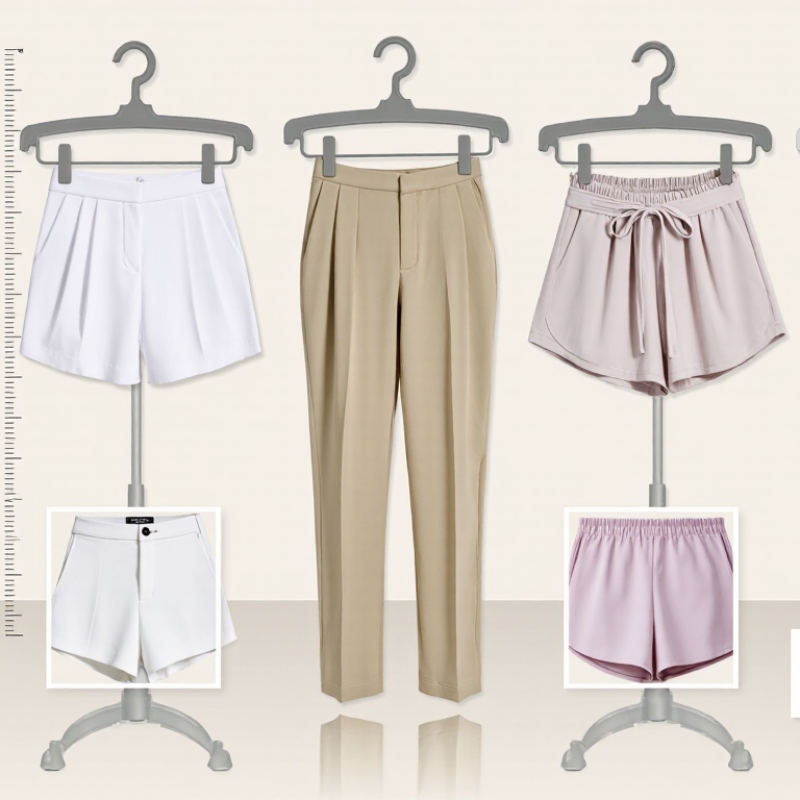
Women's shorts are easier to compare when you look beyond their names. Silhouette describes the overall outline: straight-leg shorts fall evenly, while wide-leg styles leave more room around the thigh. Fitted shorts sit close to the body. Length matters, too. A shorter inseam can feel breezy, while a longer one may offer more coverage when walking or cycling. Cut describes details such as a high or low rise, pleats, cuffs, and the shape of the leg opening. Small changes can affect comfort more than expected.
Intended use helps narrow the choices. Soft, flexible shorts suit lounging or light exercise, while structured fabric and pockets work well for errands or casual outings. For warm-weather walking, check whether the waistband stays comfortable when seated and whether the fabric rubs at the inner thigh. These are practical checks, not guarantees; fit varies with body shape and movement. A polished silhouette may look appealing on a hanger, yet feel restrictive after an hour. That mismatch is easy to overlook.
Tips: Check the inseam, rise, and fabric together. Sit, bend, and take a few steps before deciding. Pockets can pull on lightweight fabric. Sometimes the most comfortable pair looks less structured than expected.
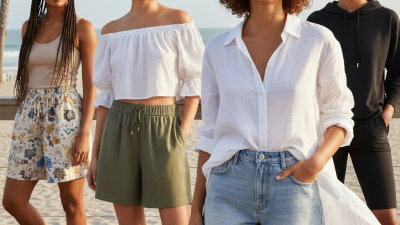
Women's shorts differ most in length, fabric, and structure. Bermuda shorts reach near the knee, offering coverage with a clean, relaxed line. They work well in crisp cotton or linen, though a wide leg can feel bulky on some frames. Denim shorts are more casual. Look for sturdy seams, a comfortable rise, and hems that do not pinch when sitting. A little ease matters.
Tailored shorts borrow details from trousers: pressed creases, belt loops, pleats, and smooth waistbands. They pair easily with a tucked shirt, but stiff fabric may restrict movement. Cargo shorts use roomy pockets and durable cloth for a practical shape. Check pocket placement; loaded pockets can pull the fabric sideways. That detail is easy to miss.
Biker shorts are close-fitting and usually made from stretchy knit fabric. Their longer leg can reduce rubbing during walks or workouts, while a high waistband may feel secure without digging in. They also work under oversized shirts or relaxed jackets. Fit deserves attention. Seams should lie flat, and the fabric should stay opaque when stretched. I still think the trendiest cut is not always easiest all day. Comfort shifts with heat, movement, even the chair you end up in.
Typical inseam-length ranges for five classic shapes (in inches)
Ranges are approximate examples, not fixed definitions. Actual inseams vary by fit, rise, wearer, and design; denim shorts in particular span a wide range of lengths.
Inseam, rise, and hem length explain why two pairs of women’s shorts can fit so differently. The inseam runs from the crotch seam to the finished leg edge. A short inseam exposes more thigh, while a longer one usually offers more coverage. Try sitting down: fabric that feels fine standing may ride up when you bend.
Rise measures from the crotch seam to the top of the waistband. High-rise shorts sit nearer the waist and may feel secure with a tucked-in shirt. Mid-rise styles rest closer to the hips, while low-rise cuts leave more space above the waistband. Body shape and torso length affect where each rise lands, so a label alone cannot predict comfort.
Hem length describes where the leg edge falls, from upper thigh to near the knee. Bermuda shorts reach farther down; very short styles stop higher. Don’t confuse hem length with hem width: a wide opening can look relaxed, while a narrow one may feel snug around the thigh. Small details matter. Check pocket bulk and seam placement, too. I’d rethink any fit advice that treats one measurement as the whole story.
Athletic shorts should match the movement, not just the mirror. For running, a lightweight woven shell and a secure waistband reduce distractions; for cycling or training, stretch fabric and a stable inner layer can feel more practical. The Outdoor Industry Association’s 2024 Outdoor Participation Trends Report counted 175.8 million U.S. outdoor participants in 2023. That scale helps explain why comfort and mobility matter across active designs, though one cut will not suit every activity. Check pocket bounce and thigh coverage before buying.
Lounge shorts favor soft knits, breathable waistbands, and room to sit or sleep without seams digging in. Workwear needs a different test: sit, bend, and reach in the shorts. A longer inseam, reinforced seams, and secure pockets may help, but workplace rules and tasks vary. Still, there is no perfect formula. Occasion shorts can look polished with a crisp fabric, clean hem, and balanced proportions; avoid assuming that a dressier finish makes them suitable for every event.
Fabric choice also deserves attention. Textile Exchange’s Materials Market Report 2024 estimated global fiber production at 124 million tonnes in 2023. That figure covers all fibers, not shorts alone, but it highlights the scale of material decisions. Compare fabric composition, care instructions, and expected wear rather than judging by softness alone. A soft pair may feel right in a fitting room, then sag after a few washes.
| Activity Type | Typical Fabrics | Fit and Construction | Useful Features | Common Lengths | Best Suited For |
|---|---|---|---|---|---|
| Athletic Shorts | Lightweight polyester or nylon, stretch blends, and breathable mesh panels | Designed for movement; may have a relaxed outer layer, a fitted inner liner, or a close-fitting compression-style cut | Moisture-managing fabric, a secure waistband, gusseted construction, and pockets that hold essentials without excessive movement | Varies by sport and preference; running styles often have shorter inseams, while training and court styles may offer more coverage | Running, gym workouts, training, court sports, and other active pursuits |
| Lounge Shorts | Soft cotton, cotton jersey, modal, French terry, or lightweight knit blends | Usually relaxed through the hip and thigh, with an elastic or drawstring waist for an adjustable fit | Soft hand feel, an easy waistband, minimal restrictive details, and practical side or patch pockets on some styles | Short to mid-thigh lengths are common, though longer cuts are available | Relaxing at home, sleeping, casual errands, or low-key warm-weather wear |
| Workwear Shorts | Durable cotton twill, canvas, denim, or sturdy cotton blends | Structured fit with reinforced seams; cuts range from straight to relaxed to allow comfortable movement | Functional pockets, belt loops, secure closures, and durable fabric; some designs include reinforced panels or utility loops | Often mid-thigh to knee length, depending on the task, dress code, and desired coverage | Hands-on jobs, outdoor tasks, workshops, and workplaces where shorts are permitted |
| Occasion Shorts | Tailored woven fabrics such as linen blends, cotton twill, crepe, or other structured materials | More polished shaping, often with a defined waistband, front pleats, pressed creases, or a clean, tailored silhouette | Neat finishing, discreet closures, belt loops or a smooth waistband, and pockets that preserve the overall shape | Commonly mid-thigh to just above the knee; the appropriate length depends on the event and outfit | Smart-casual gatherings, warm-weather events, dinners, and settings where tailored shorts are appropriate |
When comparing women’s shorts, begin with body measurements, not the number printed on a label. ASTM D5585-11(2021) covers misses sizes 00–20 and provides a standardized body-measurement reference for this size range. It helps explain how waist and hip measurements relate to a size designation. It does not prescribe the finished measurements of every pair of shorts. That distinction matters. A close-fitting denim short and a loose linen style need different amounts of room, even when both are intended for the same size.
Measure around the natural waist and the fullest part of the hips, keeping the tape level and comfortably snug. Then compare those numbers with the garment maker’s chart, if one is available. Check rise and inseam, too: a higher rise can sit differently, while a short inseam may feel restrictive when sitting. Fabric stretch also changes the feel. Standards offer a useful starting point, not a promise of identical fit across cuts or materials. Sizing can be a little messy. If your measurements fall between sizes, consider the waistband, hip ease, and how you plan to move in the shorts. A chart cannot tell you everything.