Leave Your Message

10 Mens Shorts Buying Tips for Global Buyers?

Buying Men's Shorts for a global market means balancing fit, fabric, cost, and dependable production. A pair that looks sharp on a studio model may feel tight across the thighs or ride up during a hot commute. Small details matter: a sturdy waistband, secure stitching, useful pockets, and fabric that keeps its shape after repeated washing. Buyers should also compare size charts carefully. A medium in one market may not match a medium elsewhere.

“Good shorts should feel easy in motion, not just look right on a hanger,” says fictional apparel sourcing adviser Daniel Mercer. This is an illustrative editorial quote, not a statement from a verified industry expert. The point is practical: test samples through ordinary movement, sitting, and washing before placing a large order. No sample tells the whole story.

This guide presents ten buying tips for retailers, importers, and other global buyers. It covers fabric weight, sizing, construction, seasonal demand, color choices, supplier communication, and quality checks. Look closely at the seams. Check pocket depth. Ask how measurements are recorded and whether production samples match approved specifications. Price matters, of course, but the lowest quote can become costly if sizing varies or delivery slips. Some decisions still require judgment. A breathable fabric may suit one customer and disappoint another who wants a more structured finish. The best buying process leaves room to test, compare, and revise.
10 Mens Shorts Buying Tips for Global Buyers?

Understanding Men’s Shorts Styles and Global Market Preferences

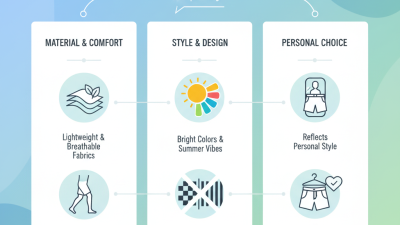
Men’s shorts reflect climate, daily routines, and local ideas of comfort. In hot coastal markets, lightweight cotton or quick-drying blends can feel practical. In cooler regions, heavier twill and longer inseams may suit everyday wear. Preferences also vary within countries. A relaxed fit may appeal to one customer, while another prefers a cleaner silhouette. Never assume one style represents an entire market.

Tips Compare inseam lengths, waist rises, and pocket depth across your target regions. Check fabric weight in person when possible; a fabric that looks airy online may feel dense. Ask local buyers for feedback. Their comments can reveal details a size chart misses.

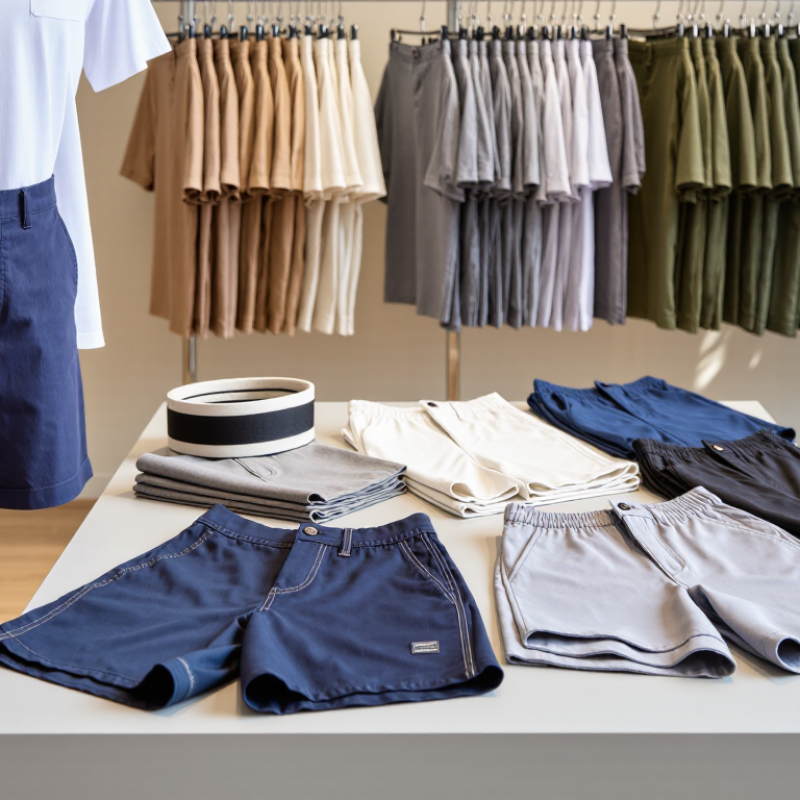
For global sourcing, offer a focused mix: tailored shorts, casual drawstring styles, and durable cargo options where demand supports them. Use clear measurements in centimeters and inches, and specify whether measurements are taken flat or on the body. This reduces avoidable fit confusion. Still, size labels can be inconsistent between suppliers, and even careful sampling may miss how fabric changes after washing. Test a small production run before expanding. That extra step may feel slow, but returns are slower.

Identifying Suitable Fabrics for Different Climates and Activities

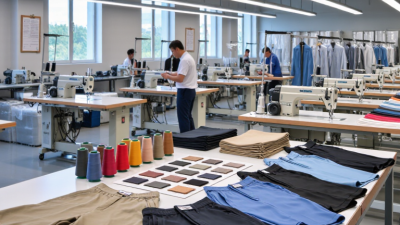
Choosing shorts fabric by climate matters more than chasing a season’s trend. In hot, humid conditions, lightweight cotton or linen blends feel airy against the skin, while quick-drying polyester can suit travel and active use. Textile Exchange’s Materials Market Report 2024 estimates global fiber production reached 124 million tonnes in 2023, with polyester accounting for about 57%. That scale makes polyester widely available, but fiber choice alone does not guarantee comfort. Fabric weight, weave, lining, and finish all affect heat and drying time. Small details matter.

For dry heat, breathable cotton and linen blends can offer a soft, relaxed feel; buyers should check shrinkage and crease resistance before ordering. In cooler or changeable weather, midweight twill provides more coverage and structure. For hiking or frequent washing, consider durable, fast-drying woven fabrics and test seams, pocket bags, and colorfastness on samples. I have seen a fabric spec look right on paper, yet feel clammy after a short walk. That is worth checking.

Tips: Match fabric weight to local temperatures, not just the calendar. Request samples in the intended color, then test them after washing and wearing. Ask suppliers for fiber content, fabric weight in grams per square metre, and documented test results. For humid markets, prioritize airflow and drying; for cooler regions, favor coverage and a denser weave.

10 Men’s Shorts Buying Tips for Global Buyers: Choosing Fabrics for Climates and Activities
# Climate or Activity Suitable Fabric Why It Works Buying Tip
1 Hot, humid weather Lightweight cotton-linen blend Linen’s open weave allows airflow, while cotton can add softness and reduce the crisp feel of pure linen. Check fabric weight and weave; a lighter, breathable construction is generally more comfortable in humidity.
2 Everyday wear in warm weather Lightweight cotton Cotton is breathable and comfortable against the skin, making it a practical option for casual use. Consider pre-shrunk fabric or clear care instructions, as cotton may shrink if washed or dried at high temperatures.
3 Travel and changing conditions Cotton-polyester blend Polyester can improve wrinkle resistance and drying time, while cotton contributes a familiar, soft hand feel. Compare the fiber percentages and test the fabric’s comfort; blends vary in breathability and texture.
4 Running and high-intensity training Lightweight polyester or nylon with moisture-wicking construction Synthetic performance fabrics generally dry faster than cotton and can move sweat away from the skin when properly engineered. Look for a lightweight fabric, a comfortable inner brief or liner, and seams that do not rub during movement.
5 Strength training and gym workouts Stretch woven fabric with elastane Mechanical stretch or elastane can support a wider range of movement during squats, lunges, and other exercises. Check stretch recovery and the waistband fit so the shorts retain their shape and stay secure during exercise.
6 Hiking and outdoor activities Durable nylon or polyester blend These synthetic fibers are commonly used in lightweight outdoor clothing and can dry relatively quickly after exposure to moisture. Assess fabric abrasion resistance, pocket security, and freedom of movement for the intended terrain.
7 Swimming and beach use Swim-grade polyester or nylon, often with elastane Swimwear fabrics are designed for water use; polyester generally offers better chlorine resistance than nylon, though performance depends on construction and treatment. Confirm that the fabric is intended for swimwear and review care guidance for chlorine, salt water, and sun exposure.
8 Cooler summer evenings Midweight cotton twill or cotton blend A denser weave provides more coverage and structure than very lightweight summer fabrics. Choose a weight suited to the local season and check that the fabric does not feel restrictive when seated or walking.
9 Rainy or changeable weather Quick-drying synthetic woven fabric Polyester and nylon fabrics tend to absorb less water than cotton and can dry more quickly, depending on fabric weight and finish. Do not assume a quick-drying fabric is waterproof; verify any water-repellent finish and its care requirements.
10 Markets with strong sunlight Tightly woven fabric with verified UV protection, or lightweight long-covering options Coverage and fabric construction affect how much ultraviolet radiation reaches the skin; protection varies by material and design. Only make a UPF claim when supported by appropriate testing, and consider longer inseams for additional coverage.

Choosing the Right Fit, Length, and Size Range

Fit, length, and size range determine whether men’s shorts work beyond a fitting-room mirror. The CDC’s National Center for Health Statistics reported a mean waist circumference of 40.5 inches among U.S. adult men in 2015–2018. That figure is a population average, not a sizing target. Global buyers should compare garment measurements with current body-measurement data from each target market. Waist, hip, and thigh measurements matter; so does room for movement when sitting or climbing stairs.

Tip: Specify waist and hip measurements in centimeters and inches, then publish a clear size chart. Measure the waistband relaxed and stretched, and state the method. For length, record the inseam and outseam. A 7-inch inseam may sit differently on two customers with different heights or proportions. Offer regular and longer options where demand supports them. A broad size range only helps when grading preserves thigh comfort and rise.

Use fit samples across several sizes, not just the middle size. Ask wear-testers to walk, sit, and bend, then note waistband pressure and hem position. ASTM D5585 provides a standardized basis for adult male body measurements, but local customer data should guide the final range. One sample can still mislead. Recheck measurements after washing, since shrinkage may alter the fit.

Checking Quality, Construction, and Supplier Standards

10 Mens Shorts Buying Tips for Global Buyers?

Checking quality starts with the fabric, not the sales sample. Textile Exchange’s Materials Market Report 2024 states that global fiber production reached 124 million tonnes in 2023. This scale makes fiber traceability important. Request composition records, yarn counts, fabric weight, and colorfastness results. For summer shorts, inspect breathability, shrinkage, and seam recovery after washing. A practical test is simple: measure the waistband before and after three wash cycles. Check pocket bags, zipper strength, bartacks, and drawcord ends by hand. Small failures become costly returns.

Construction should match the buyer’s target market and use. Review stitch density, seam allowance, waistband tension, and leg symmetry. Ask the factory to follow an agreed inspection plan, such as ISO 2859-1 sampling procedures. Specify acceptable defect limits before production begins. The OECD Due Diligence Guidance for Responsible Supply Chains in the Garment and Footwear Sector recommends risk-based supplier evaluation and documented corrective actions. Request audit scope, worker-safety records, subcontractor disclosure, and production capacity evidence. A polished audit report is not proof of consistent quality.

Visit the factory when possible. Watch cutting accuracy and inline inspections. Ask who approves repairs. Test random cartons, not only selected pieces. Some suppliers may resist destructive testing, but that hesitation deserves attention. I have found that clear measurement sheets prevent more disputes than friendly promises. Still, inspection cannot replace judgment. Samples can look excellent while bulk production varies. Leave room for rechecking, because real sourcing is never perfectly predictable.

10 Men's Shorts Buying Tips for Global Buyers: Checking Quality, Construction, and Supplier Standards

Illustrative checklist scores for comparing key supplier evaluation areas (0–100). These are example ratings, not results from a specific supplier audit.

How to use this chart: Prioritize fabric and workmanship checks, verify measurements and trims against approved samples, and request relevant compliance documents. Use a consistent scoring rubric and confirm findings through samples or independent inspection.

Comparing Prices, Shipping Terms, and Import Requirements

A low unit price can hide expensive gaps. Compare quotations on the same basis: fabric weight, fiber content, stitching, pocket construction, packaging, and inspection. Then add freight, insurance, destination handling, duties, and taxes to estimate landed cost. Ask whether the quote is FOB, CIF, or another Incoterms rule, and confirm the named port and version. Small gaps add up.

Shipping deserves close attention. UNCTAD’s Review of Maritime Transport 2024 reports that maritime transport carries over 80% of world trade by volume. That scale does not make every sailing predictable. Request a written schedule, freight-rate validity, tracking details, and clear responsibility for customs clearance and port charges. Check potential demurrage costs too. A cheap quote can become costly after delays.

Import requirements vary by destination. Men’s shorts may fall under HS heading 6103 when knitted or crocheted, or 6203 when woven; the correct national tariff code depends on product details. Confirm classification, duty rate, origin documentation, and textile-label rules with the destination customs authority or a qualified broker before ordering. One imperfect assumption can distort the landed-cost comparison. A fabric swatch and a pre-shipment sample help, but they do not replace checking the import documents.