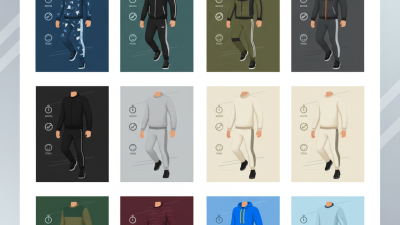
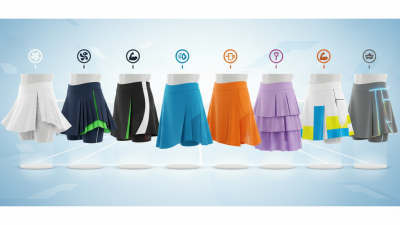
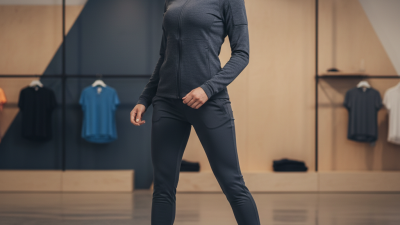
Top Tips for Choosing Custom Slim Fit Tracksuits for Your Business?
In today's competitive athletic apparel market, the demand for Custom Slim Fit Tracksuits continues to rise. According to industry reports, the global sportswear market is projected to reach $ Nike surpassed $45 billion by 2025. This trend highlights the growing importance of personalized products that resonate with consumers. Customization allows brands to establish a unique identity while catering to specific market needs.
Choosing the right Custom Slim Fit Tracksuit for your business requires careful consideration. A well-designed tracksuit can enhance brand visibility and create a lasting impression. Expertise in fabric selection, fit, and style is crucial. Studies indicate that 70% of consumers are willing to pay a premium for custom, tailored options. This statistic underscores the value of investing in high-quality, stylish tracksuits.
However, navigating the customization process can be overwhelming. Brands must reflect on factors like target audience preferences, production costs, and sizing inclusivity. Striking the perfect balance between style, comfort, and practicality is essential. Businesses must also recognize that poor fit or design may lead to customer dissatisfaction. Ultimately, focusing on these details can set your brand apart in a crowded marketplace.

Understanding the Importance of Custom Slim Fit Tracksuits for Branding
Custom slim fit tracksuits serve as a unique marketing tool for businesses. In a competitive industry, branding through apparel can be a game changer. According to a 2022 survey by the Promotional Products Association International, 79% of consumers can recall the branding on promotional apparel. This statistic highlights the effectiveness of custom clothing in enhancing brand visibility.
The fit and style of a tracksuit can significantly impact a company’s image. A well-fitted, stylish tracksuit can convey professionalism and quality. The same survey found that 65% of people develop a positive impression of a brand when wearing its promotional items. Choosing a custom slim fit design not only presents a modern aesthetic but also appeals to younger demographics who prioritize style alongside comfort.
However, companies must pay attention to details. Quality materials, proper sizing, and modern designs are essential. A poorly fitted tracksuit may lead to negative perceptions. Research indicates that 72% of consumers may choose not to engage with a brand after a poor experience. It’s vital to invest time in understanding your target audience's preferences. The focus should not only be on style but also on comfort and functionality to truly resonate with potential customers.
Top Tips for Choosing Custom Slim Fit Tracksuits for Your Business
| Feature |
Importance |
Considerations |
| Material Quality |
Durability and comfort |
Choose breathable fabrics |
| Customization Options |
Brand identity representation |
Logos, colors, and prints |
| Fit |
Attractiveness and comfort |
Ensure a tailored feel |
| Sizing Availability |
Inclusivity and fit for all |
Offer a range of sizes |
| Price |
Budget alignment |
Quality vs affordability |
| Supplier Reputation |
Trustworthiness and reliability |
Research supplier background |
Identifying Your Target Audience for Tracksuit Customization
Identifying your target audience is crucial when customizing slim fit tracksuits. Understand who will wear them. Consider age, lifestyle, and preferences. A younger audience might prefer bold colors and trendy designs. Meanwhile, older customers might favor subtle shades and classic styles. Researching demographic trends helps articulate these differences.
Gathering feedback is essential. Engage potential customers through surveys or social media polls. Ask about their favorite styles and features. This direct input guides your design choices. You'll discover which materials, fits, and functions are most appealing. Fostering this communication builds trust and reliability in your brand.
Creating a persona can streamline decision-making. Imagine your ideal customer. Visualize their daily activities and style choices. This exercise fosters clarity in your designs. Reflect on any assumptions that may need reevaluation. Your target audience's preferences might evolve, challenging your initial ideas. Keep revisiting and updating your understanding as trends change.
Choosing the Right Fabric and Fit for Comfort and Style
When selecting custom slim fit tracksuits for your business, comfort and style are paramount. The fabric choice significantly impacts how the tracksuit feels during workouts or casual wear. Reports indicate that over 70% of consumers prioritize comfort in activewear. Breathable materials like cotton blends or moisture-wicking fabrics can enhance wearability.
Consider the fit as well. A slim fit should allow for movement without being restrictive. Industry research shows that a well-fitted tracksuit can boost confidence in wearers, which is essential for athletic performance. Look for designs that offer stretch while maintaining shape. Finding that balance can be tricky; brands often compromise either style or functionality.
Testing out samples is a worthwhile approach. Gather feedback from your team or focus groups. Use this insight to refine your choices. Comfort matters, but so does the aesthetic appeal. With the right fabric and fit, your custom tracksuits can enhance your brand image while making a lasting impression. A balanced selection will cater to varied tastes, resonating well within your target market.
Design Elements to Consider for Custom Slim Fit Tracksuits
When considering custom slim fit tracksuits for your business, focus on key design elements. The fabric choice is crucial. High-performance fabrics, such as polyester blends, offer breathability and moisture-wicking. According to a recent market report, around 65% of consumers prefer activewear that keeps them comfortable during workouts. The right fabric allows clients to feel at ease while showcasing your brand's identity.
Color and branding play significant roles. Research shows that color can increase brand recognition by up to 80%. Select shades that align with your brand’s message. Ensure your logo is prominently displayed but integrated tastefully into the design. Many businesses overlook the importance of a well-placed logo, which can lead to reduced brand visibility.
Fit is paramount. Slim fit tracksuits should complement various body types. Consider offering adjustable features or size options to cater to a broader audience. A survey indicated that 73% of consumers prioritize fit over brand loyalty. This statistic underscores the need for inclusivity in your sizing and design approach. Keeping all these factors in mind can positively impact your business's visibility and customer satisfaction.
Evaluating Suppliers and Pricing for Custom Track Suit Production
When evaluating suppliers for custom track suit production, it’s crucial to focus on their experience and specialization. Research indicates that 70% of businesses prioritize suppliers with extensive industry expertise. This experience often translates into better quality and service. A reliable supplier should have a solid portfolio showcasing previous custom projects. Look for those who not only produce but also understand the trends in athletic apparel.
Pricing is another key factor. According to a recent industry report, the average cost for producing custom tracksuits ranges from $30 to $60 per unit. This variance can depend greatly on materials, customization options, and order quantity. It's essential to ask suppliers for a detailed breakdown of costs. Transparency in pricing can reveal hidden fees or discrepancies. Value doesn’t always correlate with low prices. Sometimes, a higher price reflects superior fabric or production methods.
Another aspect to consider is the minimum order quantity. Many suppliers impose restrictions. Finding one that aligns with your business needs is vital. Some businesses report challenges meeting minimums, leading to excess inventory. Adapting your approach requires balance between quantity and budget. Engaging multiple suppliers may create options but complicate logistics. Reflecting on these factors can guide a more strategic decision-making process for sourcing custom tracksuits.