Leave Your Message
- Phone
- E-mail
- Skype
- Wechat

- Whatsapp
Sourcing Men's Jackets across international markets can open access to better fabrics, skilled factories, and competitive pricing. It can also expose buyers to inconsistent quality, unclear communication, and delayed shipments. A reliable process begins with defined product requirements. Specify fabric weight, insulation, measurements, colors, trims, and packaging before contacting suppliers. Small details matter. A missing pocket measurement can affect an entire production run.
These ten practical tips focus on supplier research, sample evaluation, factory communication, and responsible purchasing decisions. Experienced buyers usually request several samples, compare stitching, test zippers, and examine seam strength under normal use. They also verify business credentials, production capacity, quality systems, and references. Factory visits can provide useful evidence, although independent audits may offer stronger documentation when travel is impractical. Clear agreements should cover approved materials, inspection standards, payment terms, delivery dates, and remedies for defects.
Global trade requires careful attention to product safety, labeling, labor standards, customs rules, and environmental requirements. Requirements differ between destinations, so professional legal and compliance advice remains valuable. Never assume a supplier’s certificate covers every market. That assumption can be costly. Ethical sourcing also deserves direct questions about wages, working hours, chemical handling, and waste management. No sourcing plan is perfect. Even careful teams face currency changes, port congestion, or unexpected material shortages. The goal is not to eliminate every risk, but to identify it early, document decisions, and build dependable supplier relationships.
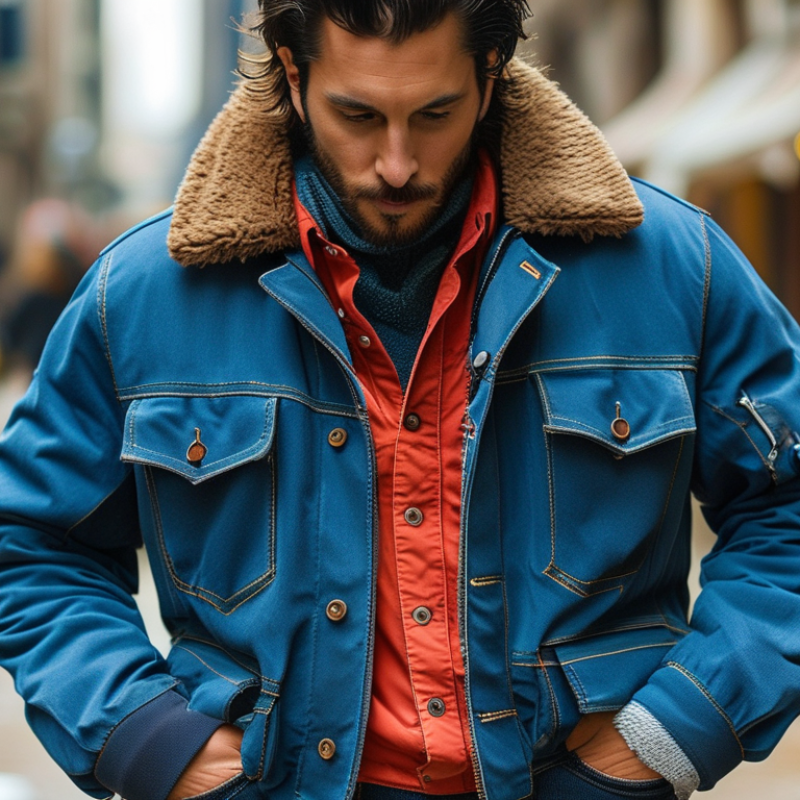
Define the Target Market and Jacket Requirements
Global sourcing begins with a customer profile, not a supplier list. Identify the buyer’s age, climate, income, lifestyle, and preferred fit. A commuter in London needs water resistance and layering space. A customer in Jakarta may prefer breathable, lightweight fabric. Small details matter.
McKinsey and the Business of Fashion’s State of Fashion 2025 report describes a cautious, value-focused fashion market. That suggests measurable performance should guide jacket development. Specify the retail price, target margin, delivery season, and expected order volume. Then define essential features, such as a 68-centimeter body length, two inside pockets, a removable hood, or a 5,000-millimeter waterproof rating. Vague terms create expensive sampling errors.
Material choices also need evidence. Textile Exchange’s Materials Market Report 2024 states that polyester represented about 57% of global fiber production in 2023. This supports its availability, but not automatic suitability. Compare recycled and conventional options for durability, hand feel, traceability, and care performance. Request fabric test reports, measurement charts, color standards, and sample photographs under natural light. I have found that suppliers often confirm specifications too quickly. A signed sheet still needs physical verification. Allow room for correction. Real customers may dislike a technically perfect jacket if the sleeves feel restrictive or the zipper catches. Feedback from wear trials should refine the specification before production.
| Tip | Target Market or Segment | Primary Use Case | Typical Climate Planning Range | Recommended Jacket Category | Key Material Requirements | Functional Requirements | Fit and Size Planning | Construction Details | Testing or Compliance Considerations |
|---|---|---|---|---|---|---|---|---|---|
| 1 | Northern Europe and other cold, wet markets | Daily commuting, outdoor travel, and winter urban use | Approximately -10°C to 8°C for winter product planning | Insulated waterproof parka or long winter jacket | Polyester or nylon shell Water-resistant finish Synthetic insulation | Wind resistance, water resistance, thermal retention, adjustable hood, and secure hand pockets | Allow room for a sweater or light mid-layer; validate chest, sleeve, and back-length measurements separately | Storm flap over the front zipper, elastic or adjustable cuffs, taped or protected high-risk seams, and durable pocket reinforcement | Use water-resistance, colorfastness, seam-strength, and dimensional-stability testing; check applicable textile labeling rules |
| 2 | North American urban and suburban consumers | Commuting, driving, travel, and casual weekend wear | Approximately -5°C to 15°C depending on region and season | Mid-weight insulated jacket, bomber, field jacket, or hooded puffer | Nylon or polyester woven shell Synthetic fill Soft lining | Lightweight warmth, easy layering, abrasion resistance, and machine-wash durability | Use a broader fit range and include regular, extended, and shorter body-length options where demand supports them | Full front zipper, rib-knit or adjustable hem, reinforced elbows for utility styles, and interior storage pockets | Check fiber composition, care labeling, zipper durability, seam slippage, and performance after repeated laundering |
| 3 | East Asian metropolitan markets | Urban commuting, compact travel, and transitional-season layering | Approximately 5°C to 20°C for autumn, spring, and mild winter ranges | Lightweight padded jacket, short puffer, coach jacket, or clean-cut overshirt jacket | Lightweight woven shell Fine synthetic insulation Smooth lining | Low bulk, neat appearance, packability, moderate wind protection, and low fabric noise | Prioritize precise shoulder and sleeve proportions; confirm local body-measurement data before grading | Minimal quilting, concealed pockets, low-profile snaps or zippers, and clean collar construction | Test color migration, seam appearance, pilling, dimensional change, and zipper operation after washing |
| 4 | South Asian warm and monsoon-influenced markets | Daily commuting, travel, and occasional cool-weather use | Approximately 15°C to 30°C, with high humidity or seasonal rain in many locations | Unlined windbreaker, lightweight rain jacket, overshirt, or packable shell | Lightweight polyester or nylon Breathable construction Quick-dry lining or mesh | Low weight, ventilation, quick drying, packability, and protection from light to moderate rain | Use a comfortable regular fit that permits airflow; avoid excessive insulation and heavy lining | Underarm or back ventilation, mesh pocket bags, adjustable hem, and compact storage pocket | Evaluate air permeability, drying time, colorfastness to perspiration, water resistance, and seam strength |
| 5 | Southeast Asian tropical markets | Rain protection, motorcycle commuting, and air-conditioned indoor-to-outdoor travel | Approximately 24°C to 34°C with frequent humidity and rainfall | Ultralight rain shell, packable windbreaker, or water-resistant commuter jacket | Lightweight synthetic fabric Water-repellent surface Breathable panels | High mobility, ventilation, low bulk, fast drying, and resistance to light rain and wind | Prefer a relaxed but not oversized fit; offer sleeve and hood adjustments for active commuting | Ventilation openings, ergonomic sleeves, reflective details for low-light use, and covered zippers | Check hydrostatic pressure or spray-rating performance, breathability, colorfastness to perspiration, and print durability |
| 6 | Middle Eastern urban markets | Cool-season commuting, evening wear, travel, and indoor air-conditioned environments | Approximately 10°C to 25°C during cooler periods | Lightweight bomber, tailored field jacket, overshirt, or uninsulated utility jacket | Breathable woven fabric Smooth lining Moderate wrinkle resistance | Light layering, polished appearance, easy care, and resistance to dust and light wind | Plan for a comfortable fit over shirts; verify sleeve and body length for the intended local customer profile | Clean collar, concealed closures, reinforced pocket openings, and breathable partial lining | Test colorfastness to light and perspiration, abrasion resistance, seam performance, and care-label accuracy |
| 7 | Outdoor and active-travel consumers | Hiking, camping, cycling, travel, and variable-weather activities | Approximately 0°C to 20°C depending on layering and activity level | Three-season softshell, lightweight insulated jacket, or technical rain shell | Stretch woven fabric Abrasion-resistant face Moisture-management lining | Mobility, wind resistance, breathability, packability, and secure storage | Use an athletic or articulated fit; leave sufficient room for movement without creating excess fabric | Articulated sleeves, adjustable hood, low-profile seams, reinforced high-wear zones, and secure zip pockets | Consider testing for tear strength, abrasion, water resistance, air permeability, and colorfastness to perspiration |
| 8 | Value-focused mass-market shoppers | Everyday casual wear and seasonal wardrobe replacement | Approximately 8°C to 22°C depending on the selling season | Basic quilted jacket, coach jacket, casual parka, or utility jacket | Cost-efficient polyester Stable woven construction Easy-care lining | Reliable basic warmth, acceptable durability, easy washing, and consistent appearance | Build a clear core size range using body-chest measurements; keep grading consistent across colors and styles | Standardized components, simple quilting, reinforced stress points, and efficient panel layout for lower waste | Prioritize colorfastness, seam strength, zipper performance, pilling resistance, and wash durability |
| 9 | Premium-conscious consumers without brand-specific positioning | Business-casual travel, refined daily wear, and long-term wardrobe use | Approximately 5°C to 18°C for transitional and mild winter conditions | Structured wool-blend coat, refined insulated jacket, or minimalist technical jacket | Wool or wool-blend outer fabric High-quality lining Fine finishing materials | Shape retention, comfort, low visual bulk, quiet hardware, and consistent surface appearance | Use a clearly defined tailored or regular fit; confirm shoulder balance, chest ease, sleeve pitch, and coat length | Clean seam pressing, lining hem allowances, precise collar shaping, durable buttons or zippers, and neat internal finishing | Check fiber-content accuracy, pilling, colorfastness, seam appearance, dimensional stability, and restricted-substance requirements |
| 10 | Sustainable-material and traceability-focused buyers | Everyday use with emphasis on material transparency and product longevity | Choose temperature and insulation levels according to the specific regional season | Durable overshirt, recycled-fiber insulated jacket, repairable shell, or long-life utility jacket | Documented recycled or preferred fibers Durable shell fabric Low-impact finishing options | Long service life, repairability, wash durability, reduced shedding, and transparent material records | Use stable core blocks and timeless proportions to reduce fit-related returns and extend product relevance | Replaceable pulls, accessible repair points, reinforced seams, standardized trims, and durable construction | Maintain transaction records and material documentation; verify fiber claims, chemical compliance, durability, and care instructions |