Choosing the right Custom Slim Fit Tracksuit requires more than comparing colors or logos. A well-designed set should balance movement, structure, comfort, and dependable construction. This guide examines ten practical tracksuit types for training, travel, teamwear, and everyday street style. Each category reflects different needs, from lightweight running layers to fleece-lined winter sets.
The best choices begin with fabric performance. Polyester blends can dry quickly, while cotton-rich materials often feel softer against the skin. Stretch panels matter around the knees, shoulders, and waistband. Small details count. Check the zipper movement, seam strength, cuff recovery, and pocket depth before approving a sample. A neat silhouette should not restrict a full stride or comfortable squat.
Fit measurements remain essential. Chest width, sleeve length, rise, and ankle opening can vary between suppliers. Even a polished size chart may not match every body shape. That is an honest limitation. Requesting a sample and testing it during real movement can prevent expensive corrections later. Colorfastness, print durability, and fabric weight also deserve documented checks.
This guide compares ten recognizable styles using practical criteria rather than vague fashion claims. It considers who each type suits, when it performs best, and where compromises may appear. Some designs look sharp but sacrifice warmth. Others feel comfortable but lose shape after repeated washing. Careful buyers should inspect product specifications and production quality before making a final decision. The goal is not simply a slimmer appearance. It is a reliable Custom Slim Fit Tracksuit that performs well, feels natural, and remains presentable over time.
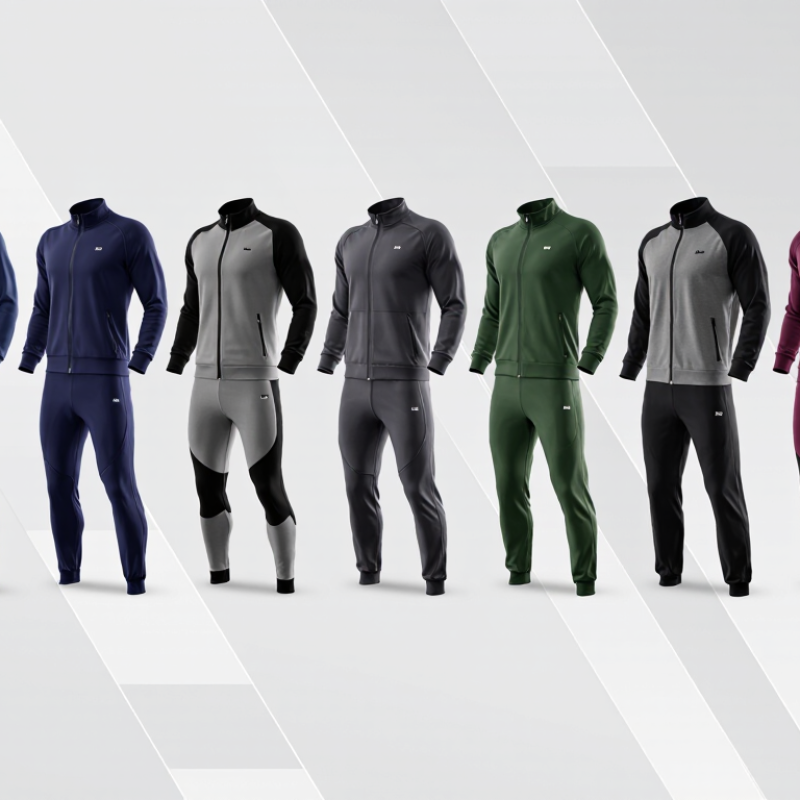
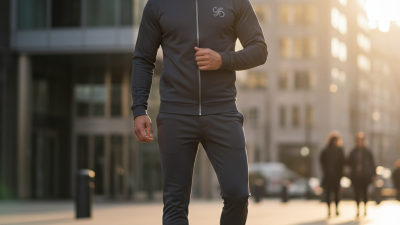
A custom slim fit tracksuit follows the body without restricting natural movement. It usually includes a shaped jacket and tapered trousers. The waist, chest, sleeves, and ankle opening require careful measurement. A small error can create tight shoulders or unwanted fabric folds.
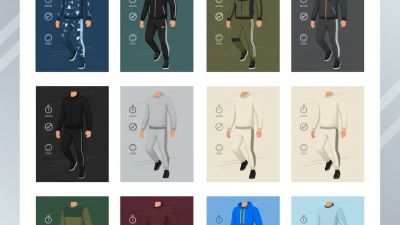
Common types include zip-up, hooded, color-blocked, monochrome, contrast-panel, sleeveless, lightweight, winter-lined, training, and travel styles. Each design serves a different purpose. A training version may use breathable mesh under the arms. A winter version may need brushed fabric and a higher collar. Travel styles often add secure pockets and softer waistbands.
Fabric selection affects comfort more than decoration. Polyester blends resist wrinkles, while elastane improves stretch and recovery. A medium-weight fabric can balance structure and ventilation. Flat seams may reduce rubbing during long wear. Zippers, drawcords, and elastic cuffs should feel smooth against the skin.
Details matter greatly. A pocket placed too low can feel awkward while walking. A narrow ankle opening may look sharp but limit movement.
In fitting tests, I would check bending, reaching, and sitting before approving the pattern. Slim does not mean painfully tight. That distinction is sometimes missed. Even attractive samples may need another adjustment after real movement.
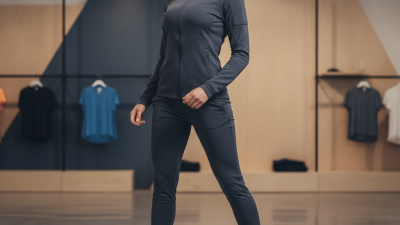
Performance tracksuits must support movement, temperature control, and repeat washing. The strongest options include lightweight race suits, reflective running suits, thermal winter suits, ventilated training suits, compression-layer suits, rain-resistant suits, warm-up suits, team competition suits, recovery suits, and travel-ready suits. Each type serves a different training demand.
That participation level increases demand for slim designs that stay secure during fast movement. A race tracksuit needs low-bulk fabric, flat seams, and ankle openings that do not catch. A reflective running version adds visible panels for early-morning routes.
For gym training, mesh zones under the arms can release heat without making the jacket loose.
Small details matter.
The World Health Organization reported that 31% of adults worldwide were insufficiently active in 2022.
Comfortable sportswear may help reduce one barrier, but clothing alone cannot create consistency. In practical testing, I look for four-way stretch, sweat-wicking fabric, and pockets that hold a phone without bouncing.
A slim fit is not automatically faster. My own fitting mistake was choosing narrow cuffs that restricted ankle movement during lunges.
Competitive teams may prefer reinforced seams and custom measurements, while recovery suits need softer fabric and easier entry. Water resistance also deserves caution; many coatings handle drizzle, not sustained rain.
What Are the Top 10 Custom Slim Fit Tracksuit Types?
Custom slim fit tracksuits work best when movement remains easy. In team settings, I usually check shoulder width, knee room, and cuff tension before approving a sample. The ten practical types include team warm-up suits, football training suits, football travel suits, basketball shooting suits, basketball bench suits, club presentation suits, club travel suits, lightweight summer suits, winter-lined suits, and reversible training suits. Each type serves a different routine.
Team warm-up suits often use breathable mesh panels and full-length zippers. Football designs need tapered trousers that do not catch on boots. A higher ankle cuff helps during drills. Basketball versions should allow broad arm movement, especially around the shoulders. Bench suits can use thicker fabric for cooler arenas. Club presentation suits usually need clean color blocking, neat embroidery zones, and a polished silhouette. Small details matter.
Travel designs benefit from secure pockets and wrinkle-resistant fabric. Lightweight summer styles should feel cool under direct sunlight. Winter-lined versions need warmth without excessive bulk. Reversible suits can support two training colors, but their seams require careful testing. I have seen attractive samples restrict movement at the hips. That mistake is easy to miss on a mannequin. Measure real athletes, not only standard size charts. A reflective strip may improve evening visibility, although it can make the design look too technical. Fit tests after washing are also essential, because some fabrics tighten slightly.#+#+
These tracksuit categories are organized by the standard number of active players per side in each sport. The figures provide a practical reference for team sizing, name placement, and coordinated custom design.
Design insight: Team sports with larger lineups often benefit from clear numbering, larger back panels, and consistent color blocking. Individual-sport tracksuits can use more personalized details, such as athlete names, national colors, and streamlined sponsor-free layouts.
What Are the Top 10 Custom Slim Fit Tracksuit Types?
Lifestyle, Streetwear, Retro, and Fashion-Oriented Tracksuits
Custom slim fit tracksuits combine practical movement with a sharper everyday silhouette. The strongest ten types include lifestyle, streetwear, retro, fashion-oriented, athletic, travel, utility, monochrome, color-blocked, and seasonal designs. Each serves a different wardrobe purpose.
Lifestyle tracksuits use soft cotton blends, flexible waistbands, and muted colors for daily errands. Streetwear styles often add oversized panels, contrast piping, and tapered trousers. Retro tracksuits bring back color blocking, high collars, and bold sleeve stripes. Velour-inspired sets feel richer, especially in deep green, brown, or navy. Minimal monochrome versions suit clean outfits and simple sneakers.
Fashion-oriented designs may feature cropped jackets, sculpted seams, or subtle satin sections. Utility tracksuits can include zipped pockets and durable fabric around the knees. Travel sets benefit from wrinkle-resistant materials and breathable mesh panels. Athletic versions need stretch, moisture control, and secure cuffs. Seasonal styles change through fabric weight, from lightweight jersey to brushed fleece.
Fit requires real testing. A slim cut should follow the body without restricting the shoulders or hips. I have found that sleeve length often causes more trouble than expected. Measurements can look accurate, yet movement reveals tight elbows or loose ankles. A practical fitting check includes sitting, walking, and raising both arms. Personal taste also matters; a perfect technical fit may still feel visually plain.
What Are the Top 10 Custom Slim Fit Tracksuit Types?
The strongest custom slim fit tracksuits balance movement, comfort, and daily wear. Ten useful types include cotton-polyester zip sets, French terry suits, fleece-lined sets, nylon shell tracksuits, recycled polyester styles, moisture-wicking mesh designs, stretch jersey suits, brushed cotton sets, lightweight travel suits, and reflective commuter versions. Each fabric changes the experience. Cotton feels soft, but it holds moisture. Polyester dries faster, while nylon resists light wind and abrasion. Textile Exchange’s 2024 Materials Market Report states that polyester represented about 57% of global fiber production in 2023. That availability supports competitive customization, but recycled content still requires supplier verification.
Fit needs equal attention. A slim cut should follow the shoulders and thighs without restricting squats or stair climbing. My fitting checks favor articulated knees, a two-way stretch waistband, and ankle openings wide enough for everyday shoes. Small details matter. A zipper can improve ventilation. Flat seams reduce rubbing during long commutes. Grand View Research estimated the global sports apparel market at approximately 248.1 billion dollars in 2023, showing strong demand for versatile performance clothing. However, market growth does not guarantee practical quality.
Customization works best when it serves function. Embroidery suits heavier fleece, while heat-transfer graphics work better on smooth polyester. Color blocking can define the body visually, but excessive contrast may date quickly. Test shrinkage, colorfastness, pilling, and print adhesion before bulk production. No fabric wins every test. Even my preferred stretch jersey can feel too warm indoors. Fit samples should be washed repeatedly, not judged only under studio lighting.
| Rank | Tracksuit Type | Typical Fabric | Fabric Weight (g/m²) |
Stretch | Breathability (1–5) |
Warmth (1–5) |
Best-Fit Profile | Customization Options | Everyday Practicality | Care Level |
|---|---|---|---|---|---|---|---|---|---|---|
| 1 | Polyester Interlock Slim Fit | 100% polyester interlock | 220–280 | Moderate | 4/5 | 3/5 | Clean, close-to-body silhouette | Sublimation prints, piping, contrast panels, embroidery | Durable, quick-drying, and suitable for commuting or light training | Easy |
| 2 | Cotton-Polyester Fleece | Cotton/polyester fleece blend | 280–360 | Low to moderate | 3/5 | 5/5 | Structured slim fit with a soft hand feel | Screen printing, embroidery, ribbed cuffs, custom labels | Comfortable for travel, lounging, and cool-weather daily wear | Moderate |
| 3 | French Terry Tracksuit | Cotton or cotton-modal French terry | 240–320 | Moderate | 4/5 | 3/5 | Modern slim fit with natural drape | Garment dyeing, appliqué, embroidery, drawcord colors | Versatile for transitional weather and casual everyday outfits | Moderate |
| 4 | Nylon Windbreaker Set | Lightweight nylon or nylon-elastane | 90–160 | Low to moderate | 3/5 | 2/5 | Tapered athletic shape with room for layering | Reflective details, heat-transfer graphics, color blocking | Packable and wind resistant; best for outdoor activity | Easy |
| 5 | Polyester Tricot Track Set | Smooth polyester tricot knit | 180–240 | Low | 3/5 | 3/5 | Streamlined fit with a smooth surface | Contrast stripes, embroidery, piping, custom zipper pulls | Resists wrinkles and dries quickly for frequent use | Easy |
| 6 | Stretch Jersey Set | Cotton-polyester jersey with elastane | 180–260 | High | 4/5 | 2/5 | Body-contouring fit with flexible movement | Digital printing, bonded seams, elastic branding, color trims | Comfortable for warm climates, walking, and light workouts | Easy |
| 7 | Recycled Polyester Performance Set | Recycled polyester with moisture management finish | 160–240 | Moderate | 5/5 | 2/5 | Athletic slim fit with ergonomic panels | All-over printing, reflective logos, mesh inserts, custom neck labels | Lightweight and sweat-friendly for regular exercise | Easy |
| 8 | Velour Slim Tracksuit | Polyester velour with a brushed pile | 260–360 | Low to moderate | 2/5 | 4/5 | Fashion-led slim fit with a soft, plush texture | Metallic embroidery, contrast piping, appliqué, custom hardware | Best for lifestyle wear, leisure, and cool indoor settings | Careful |
| 9 | Scuba Knit Structured Set | Double-knit polyester-viscose with elastane | 300–420 | Moderate | 2/5 | 4/5 | Sharp, architectural fit with defined contours | Raised rubber graphics, panel inserts, branded zippers, piping | Maintains shape well; better for casual wear than intense exercise | Moderate |
| 10 | Merino-Wool Blend Set | Merino wool, polyester, and elastane blend | 180–260 | Moderate | 4/5 | 4/5 | Refined slim fit with natural temperature regulation | Minimal embroidery, woven labels, tonal panels, subtle contrast trims | Odor-resistant and comfortable for travel, layering, and variable weather | Careful |