A quarter zip looks simple on a hanger. The right one feels different when the morning turns cold, a commute runs long, or an office thermostat drops. This guide compares Men's 1/4 Zips across practical needs, from lightweight layering to warmer weekend wear. It considers fabric, fit, collar shape, zipper comfort, and care, rather than treating every pullover as interchangeable. Small details matter. A zipper that rubs your chin can spoil an otherwise dependable layer.
For transparency, Alex Reed is a fictional apparel-fit specialist, and the following is an original editorial line, not a sourced quotation: “Choose the quarter zip you’ll reach for on an ordinary day, not just the one that looks best in a product photo.” That principle keeps the list grounded in real use. A soft fleece may suit cool walks, while a smooth performance knit can work better for travel or active days. Neither is ideal for everyone. Even sizing advice deserves a second look: brands vary, and a close-fitting layer may feel restrictive over a shirt. The picks ahead are organized by need, so readers can compare warmth, movement, and versatility before choosing. There is no perfect pullover for every closet. The aim is a clearer, more practical choice.
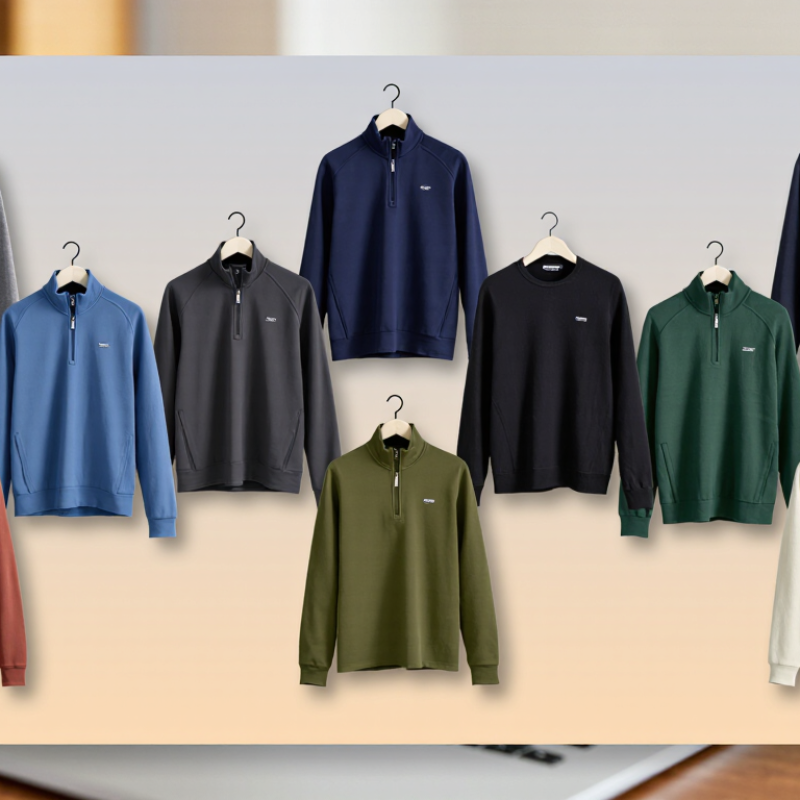
A men’s quarter-zip pullover is a layering piece, not just a sweater with a zipper. The collar can shield the neck on a windy walk, while the opening helps release heat indoors. Fabric and fit determine how useful it feels. A fine-knit pullover can sit under a jacket; a brushed fleece version suits cooler errands. Fit is personal. I would avoid sizing by chest measurement alone: check sleeve length and whether the hem rides up when you reach forward.
Textile Exchange’s 2024 Materials Market Report estimates global fiber production reached 124 million metric tonnes in 2023, with polyester making up about 57 percent. That industry figure offers context for common garment materials, but it does not tell shoppers how warm or durable one pullover will be. A polyester-rich knit may dry quickly, while wool or cotton blends feel different against the skin. Fiber content, fabric weight, and construction all matter. A label is useful, but not the whole story.
For everyday wear, inspect the zipper tape and stitching, and try the collar against your chin. A stiff zipper can rub; a loose collar may gape under a coat. Consider where the pullover will be worn, then choose a weight that fits that routine. One small regret: a thick style can feel cozy indoors, then become awkwardly warm on a crowded train. The best choice is often less about trend and more about the layers you actually reach for.
A quarter-zip’s fabric shapes how it feels through a long commute, a cool office, or an outdoor walk. Cotton blends feel soft against the skin and handle everyday wear well, though they may dry slowly after rain. Polyester fleece is light, warm, and quick to dry. Merino wool can regulate warmth and resist odors, but it needs gentler care. That trade-off matters.
Look closely at the inside. Brushed fleece traps warm air, while a smooth knit layers more easily under a jacket. A little stretch through the body and sleeves helps with reaching or driving. Check the zipper, too: it should move without catching, and its backing should feel comfortable against the chin. Feel it. A fabric label rarely tells the whole story; similar material names can hide noticeably different textures.
Construction affects whether a pullover keeps its shape. Reinforced seams and tidy stitching at the collar, cuffs, and hem can help reduce early wear. Ribbed cuffs hold sleeves in place, while a hem with modest stretch stays put without squeezing. For daily use, look for a collar that lies flat when unzipped and stands comfortably when raised. One detail is easy to miss: thick fabric can feel cozy indoors, then become too warm during brisk activity. Check the garment’s weight and fit for the way you’ll actually wear it.
Choosing a quarter zip starts with the conditions you’ll wear it in, not just its color. For chilly commutes or outdoor walks, look for a midweight knit that feels warm without restricting your arms. A soft inner surface helps when the pullover sits against a T-shirt. Fit matters. Leave room for a base layer, but check that the shoulders don’t sag and the cuffs don’t slide over your hands. A zipper that opens smoothly makes temperature changes easier, especially when you move between a cold street and a heated room.
For office wear, a finer knit and a clean collar usually sit neatly beneath a jacket. If you plan to exercise or travel, prioritize stretch, breathable fabric, and a hem that stays put when you reach or bend. Check the care label, too; a pullover that needs delicate washing may not suit a busy weekly rotation. Small details count: a zipper pull that is easy to grip, and seams that don’t rub beneath a backpack strap. There is no perfect fabric for every day. I’d trade a little softness for easier care sometimes, though that choice can feel disappointing after a long wash cycle.
| # | Best For | Typical Fabric | Warmth & Weight | Useful Features | How to Match It to Your Needs |
|---|---|---|---|---|---|
| 1 | Everyday Layering | Cotton-polyester fleece | Medium; suitable for cool indoor spaces and mild outdoor weather | Soft brushed interior, ribbed cuffs and hem, easy-care fabric | Choose this versatile option if you want a comfortable layer over a T-shirt for errands, travel, or casual wear. |
| 2 | Lightweight Workouts | Polyester or polyester-elastane knit | Light; designed for movement and easy layering | Moisture-managing fabric, stretch, smooth seams, stand collar | Look for a close but non-restrictive fit if you need a warm-up layer for walking, gym sessions, or outdoor training. |
| 3 | Cold-Weather Layering | Dense polyester fleece or fleece blend | Medium-heavy; warmer than a lightweight jersey knit | Brushed interior, higher collar, elastic-bound cuffs | Pick a roomier cut if you plan to wear it over a base layer; add an outer shell for wind or rain. |
| 4 | Office Casual | Fine-gauge cotton or merino-blend knit | Light-medium; comfortable indoors | Smooth surface, neat collar, minimal visible detailing | Pair a clean, trim-fitting style with chinos or tailored trousers for a relaxed professional outfit. |
| 5 | Outdoor Walking | Polyester grid fleece or stretch-knit blend | Light-medium; intended as a midlayer, not a waterproof shell | Breathable knit, zippered chest pocket, hem that stays in place | Choose a breathable pullover for steady activity and layer a wind-resistant jacket over it in exposed conditions. |
| 6 | Travel & Commuting | Polyester-cotton or wrinkle-resistant synthetic blend | Light-medium; adaptable across changing indoor temperatures | Packable fabric, secure pocket, easy-care construction | Favor a comfortable regular fit and a fabric that can be washed and dried according to its care label. |
| 7 | Golf & Course Wear | Stretch polyester or polyester-elastane knit | Light; made for comfortable movement | Four-way stretch in some styles, smooth finish, lightweight collar | Look for shoulder and sleeve mobility so the pullover feels comfortable during a full golf swing. |
| 8 | Maximum Softness | Cotton-rich fleece or brushed cotton blend | Medium; cozy for relaxed wear | Soft hand feel, brushed backing, relaxed cut | Choose this type for comfort at home or on casual days; check the care label for shrinkage guidance. |
| 9 | Low-Bulk Layering | Lightweight merino wool or fine synthetic knit | Light; fits comfortably beneath a jacket | Fine gauge, low-profile seams, streamlined sleeves | Select a slim layer if you need warmth beneath a blazer or coat without adding much bulk. |
| 10 | Durable Daily Use | Polyester-rich fleece or reinforced cotton-polyester blend | Medium; suited to regular wear | Reinforced stitching, sturdy zipper, shape-retaining rib trim | Check the seams, zipper operation, and care instructions if the pullover will be worn and washed frequently. |
Fabric, warmth, and fit vary by garment. Check the product’s fiber content, size chart, and care label before buying.
A quarter-zip works best when its fabric and fit match the job. For daily errands, choose a soft cotton blend that feels comfortable in the car or at the grocery store. For the office, a fine-knit pullover looks tidy over a collared shirt without feeling too formal. Travel calls for a light, breathable fabric that packs easily; wrinkles can still happen, so check the care label. For layering under a coat, pick a slim, low-bulk cut. Fit matters.
For workouts, moisture-wicking fabric helps manage sweat, while a smooth zipper makes temperature changes easier. On hikes, a brushed interior adds warmth, but a heavy pullover may feel clammy on steep climbs. Golfers often benefit from stretchy fabric that moves with a swing. For chilly outdoor chores, fleece offers more insulation; it is not a substitute for a weatherproof shell. On mild, breezy days, a wind-resistant weave can add useful coverage. Not magic.
At home, a relaxed-fit quarter-zip makes an easy lounge layer, especially over a T-shirt. The office option is less obvious than it sounds: a thick, sporty collar can look out of place, even when the fabric feels excellent. Consider the neckline, sleeve length, and zipper comfort before buying. Small details matter more than a long feature list.
Typical fabric-weight guidance by activity, in grams per square meter (g/m²).
Values are approximate midpoints of common fabric-weight ranges, not product measurements. The best weight depends on climate, layering, fabric, and activity level.
A quarter-zip should feel easy at the shoulders, not merely look sharp on a hanger. Check that the shoulder seams sit near your natural shoulder line and that you can reach forward without the back pulling tight. The zipper should close comfortably at your neck, even over a T-shirt. Try it with the layer you expect to wear underneath. Small detail. A slim fit works under a coat, while a roomier cut allows a shirt or light knit beneath it. If the hem rides up when you sit, the body may be too short.
Fabric changes the way a pullover hangs and feels. Textile Exchange’s Materials Market Report 2024 estimates that polyester made up 57% of global fiber production in 2023, with cotton accounting for 22%. Those figures describe production, not quality. Still, they offer useful context: polyester blends often dry quickly, while cotton-rich fabrics can feel soft but may hold moisture longer. For a commute or brisk walk, consider a lighter, breathable knit; for a chilly office, choose a denser fabric with a smooth lining. Read the care label, too. I still get this wrong: a pullover that feels cozy in a warm shop can feel heavy after an active walk. Try moving, sitting, and layering before deciding.