2026 Top Women's T-Shirts Trends to Watch Out For?
As fashion enthusiasts gear up for 2026, the spotlight shines brightly on women's T-shirts. This timeless wardrobe staple is evolving, reflecting diverse styles and individual expressions. From vibrant colors to innovative designs, the trends are set to captivate audiences.
Women’s T-shirts are no longer just basic pieces; they are pivotal to creating standout outfits. This year's trends promise to blend comfort with creativity. Expect oversized fits that offer freedom and elegance. Layering will also play a key role, allowing fresh pairings with other garments.
While staying trendy, it's essential to acknowledge that not every style suits everyone. Finding the right fit can be challenging, as personal taste varies widely. Embracing the evolving nature of women's T-shirts invites a journey of self-discovery. By observing these trends, individuals can find pieces that resonate with their personal style and identity.
Emerging Color Palettes in Women's T-Shirt Design for 2026
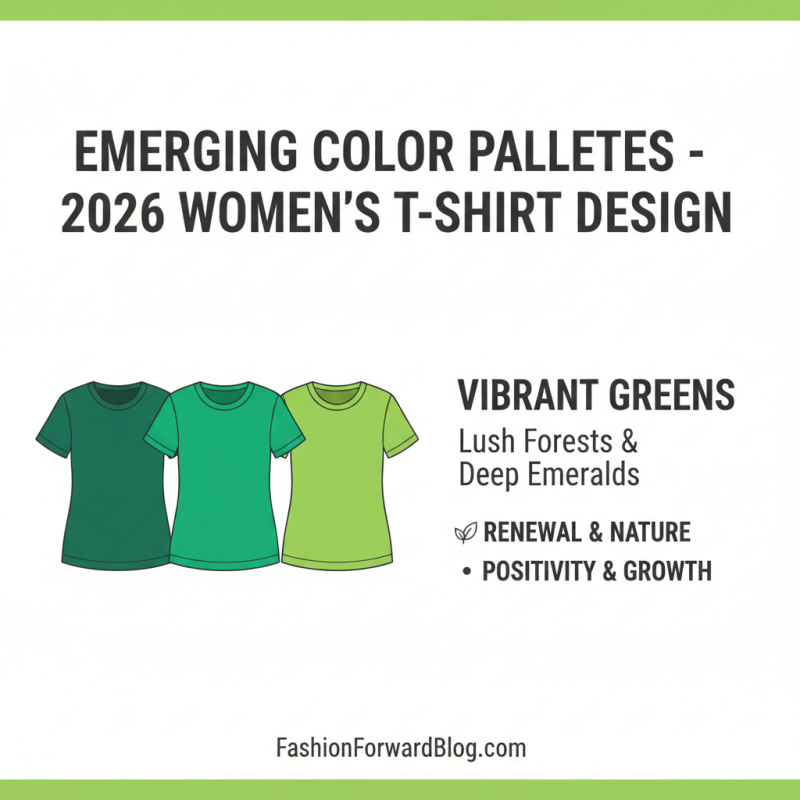
As we look ahead to 2026, women’s T-shirt designs will embrace a range of fresh color palettes. Vibrant shades of green are set to take center stage. Think lush forests and deep emerald tones. These colors evoke a sense of renewal and connection to nature, appealing to those seeking positivity.
Earthy hues will also dominate the scene. Soft browns, muted yellows, and terracotta shades promise comfort and warmth. These tones create a cozy aesthetic, making them perfect for everyday wear. Abstract designs featuring these colors can add an artistic flair, helping women express their individuality.
Pops of neon will juxtapose these earth tones. Bright pinks and electric blues enhance basic T-shirts with energy and excitement. However, the key is balance. Too many bold colors may overwhelm the viewer. A thoughtful approach ensures a stylish yet approachable look. Trends reveal an evolving palette that inspires creativity, but also challenges designers to think critically about their choices.
Popular Fabric Choices Impacting Comfort and Sustainability
As we look ahead to 2026, women’s t-shirt trends will be shaped by a renewed focus on fabric choices. The fabric impacts not only comfort but also sustainability. Consumers are increasingly aware of how their clothing choices affect the planet. Soft, breathable materials like organic cotton and Tencel are becoming popular. These fabrics offer comfort while ensuring the environment is a priority.
When choosing a t-shirt, consider the fabric's lifecycle. Look for options that use less water and reduce waste. Some materials, like recycled polyester, are making waves. They provide durability and a smaller carbon footprint. Sustainable fabric options can enhance your wardrobe without compromising quality.
Consider these tips: look for certifications that verify sustainability claims. Explore local brands that focus on ethical production methods. While big names dominate the market, small businesses often lead in eco-friendly practices. Remember, choosing the right fabric improves both your comfort and the health of our planet.
Innovative Prints and Graphics to Look for in 2026 Women's Tees
As we look ahead to 2026, women's T-shirt fashion is poised for a transformation, particularly in the realm of prints and graphics. Expect to see bold, abstract designs that challenge traditional aesthetics. Vibrant colors will dominate the landscape, creating eye-catching visuals. These designs will often reflect themes of empowerment and individuality, making a statement about personal identity.
In addition to boldness, intricate, hand-drawn illustrations will become increasingly popular. These unique graphics add a personal touch, showcasing artistry over mass production. Sustainability will also play a role; eco-friendly inks and fabrics are more prevalent. This shift reflects a growing awareness of environmental issues among consumers. Brands may struggle to balance creativity and eco-consciousness, which can lead to innovative compromises.
Fashion lovers can anticipate layering of different textures, too. Combining methods such as screen printing with embroidery adds depth to T-shirts. However, this trend might lead to an overload of details, making choices overwhelming for shoppers. Crafting the perfect design will require careful thought; simplicity might just become the new sophistication. As we navigate these trends, the journey becomes as significant as the endpoint.
2026 Top Women's T-Shirts Trends
Fashion Influences: How Celebrity Styles Shape T-Shirt Trends
Celebrity styles have always played a significant role in shaping fashion trends, particularly when it comes to women's t-shirts. Influential figures from Hollywood to social media create a ripple effect in the industry. Their choices often dictate what styles become popular. For instance, when a prominent actress sports an oversized graphic tee, it instantly becomes a must-have piece.
This year, expect t-shirt designs that are more than just simple cotton fabric. Bold prints, unique cuts, and eco-friendly materials are trending. Celebrities are embracing individualism, opting for shirts that reflect their personalities. Sustainable fashion is on the rise, influenced by public figures advocating for eco-conscious choices. However, it raises questions about authenticity and the pressure to conform.
Moreover, not every trend will resonate with all audiences. Some may find certain styles unflattering or impractical. Fashion is subjective, and while some celebrity-endorsed looks fly off the shelves, others might be left behind. This creates an interesting dynamic where choices are influenced, yet personal taste must prevail. Being critical of what’s presented can lead to better fashion decisions.
The Role of Technology in T-Shirt Production and Customization
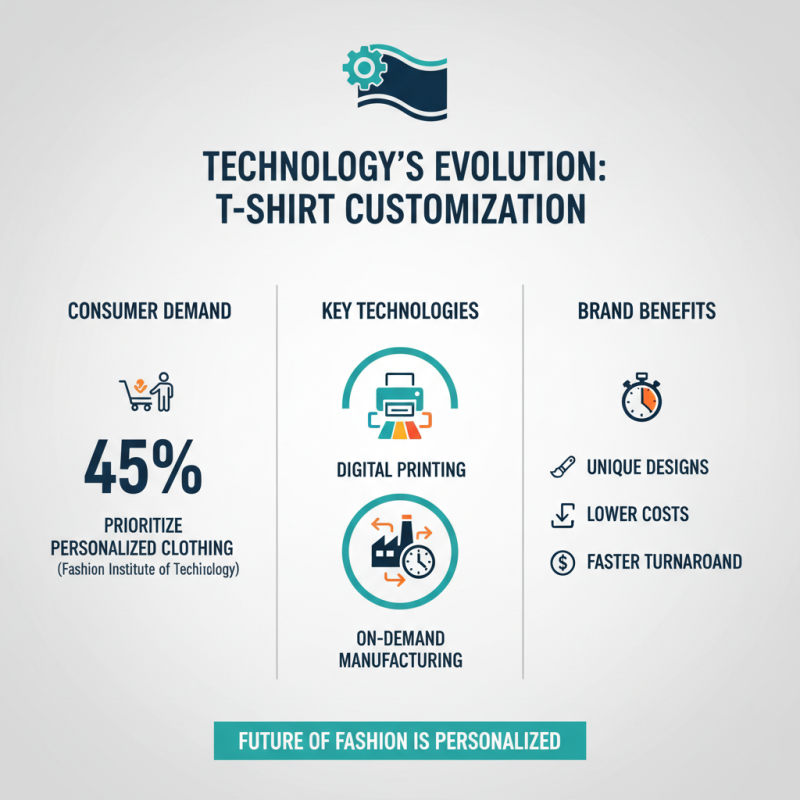
As technology evolves, the production and customization of women's T-shirts are significantly transforming. Data from the Fashion Institute of Technology reveals that approximately 45% of consumers prioritize personalized clothing options. This trend is driven by advancements in digital printing and on-demand manufacturing. With these technologies, brands can offer unique designs at lower costs and with faster turnaround times.
Moreover, artificial intelligence is making waves in the design process. AI algorithms analyze consumer preferences and trends to predict what styles will be popular. Reports indicate that AI-driven design systems improve efficiency by up to 30%. However, there is a risk of homogenization in design. As more brands adopt similar technologies, maintaining individuality can become challenging.
Sustainability is another critical factor in T-shirt production. According to a recent report from McKinsey, the fashion industry accounts for around 10% of global carbon emissions. While tech innovations attempt to reduce waste, such solutions are not yet widely implemented. This discrepancy between tech potential and actual practice highlights the need for introspection in the industry. The journey towards a more sustainable future is still in progress, and not every step taken has been perfect.