Top Women's Tracksuits for Global Buyers in 2026?
As we look toward 2026, the market for Women's Tracksuits is poised for significant growth. According to a recent report by Market Research Future, the global women's activewear market, including tracksuits, is expected to reach $200 billion by 2026. This growth highlights the rising demand for comfortable yet stylish athletic wear.
Industry expert Dr. Sarah Thompson emphasizes the importance of this trend, stating, "Women today seek versatility in their clothing, making tracksuits a popular choice." This reflects a shift in consumer priorities, where functionality meets fashion. As brands innovate, it’s crucial to understand the diverse needs of global customers.
However, challenges remain. Brands must navigate sustainability concerns and ensure ethical production. With rising awareness regarding environmental impact, consumers look for brands that align with their values. Women's Tracksuits are no longer just a fashion statement; they represent a lifestyle choice that balances style, comfort, and responsibility.
Top Trends in Women's Tracksuits for 2026 Global Market
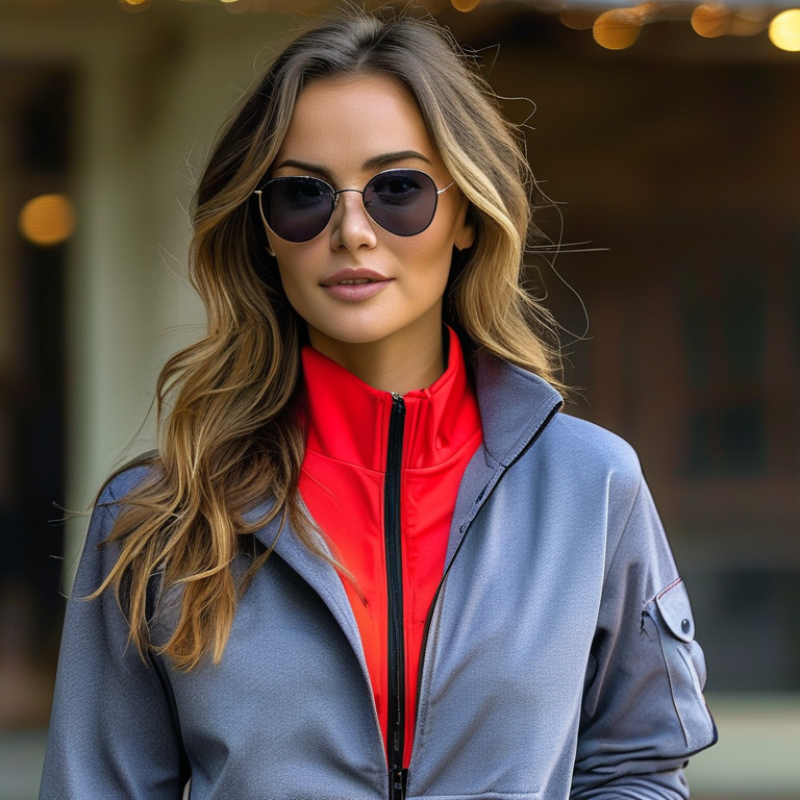
The women’s tracksuit market is evolving rapidly. In 2026, expect a mix of comfort and style. Athleisure remains a significant trend. Comfort is crucial, but so is the need to look good. Bright colors and fun patterns will attract buyers. Sustainable materials are gaining traction as well, appealing to eco-conscious consumers.
Fit plays a vital role in 2026. Oversized styles meet tailored fits, providing options for everyone. Versatility is key, as tracksuits transition from gyms to cafes. Fashion-forward designs feature unique cuts and blends. Buyers are looking for pieces that suit various occasions, blurring the lines between sporty and chic.
Quality matters too. Many consumers prefer durable tracksuits that withstand wear. However, brands must reflect on affordability. High prices can deter potential customers. Tracking trends requires constant adaptation to shifting buyer preferences. In a competitive market, staying relevant is both an art and a challenge.
Key Features to Look for in Women's Tracksuits in 2026
In 2026, a good women's tracksuit needs to prioritize comfort and fit. The fabric should be breathable yet durable. Lightweight materials offer better mobility. Look for features like moisture-wicking technology. This helps keep workouts fresh. A relaxed cut allows for layering, making it versatile for all seasons.
Consider functional details like pockets and zippers. These enhance usability and convenience. Those small elements can make a difference during outdoor activities. Ensure the tracksuit is easy to care for and quick to dry, especially for busy lifestyles.
Reflecting on style versus function is vital. While aesthetics are essential, they shouldn't compromise comfort. Tracksuits should inspire confidence, not discomfort. Seek options that blend both for a holistic experience. Make informed choices for your active wardrobe in 2026.
Popular Materials Used in Women's Tracksuits for 2026
When choosing tracksuits for women in 2026, material plays a crucial role. Many buyers now prefer eco-friendly fabrics. Sustainable choices like organic cotton and recycled polyester are gaining traction. These materials not only reduce environmental impact but also provide comfort and breathability.
Comfort remains vital for tracksuit wearers. Soft, stretchy materials enhance movement during workouts. Fabrics that wick moisture are also essential. They help in temperature regulation, making workouts more enjoyable. However, the challenge lies in balancing durability with comfort. Some fabrics may wear out quickly, prompting a need for innovation in textile production.
The aesthetic appeal of tracksuits is also influenced by material choices. Unique blends can provide visually striking designs. Yet, consumers should research how these materials behave over time. Some may stain easily or require special care. This makes thorough knowledge about fabric properties necessary for informed purchases.
Target Demographics: Who is Buying Women's Tracksuits in 2026
In 2026, the demographic for women's tracksuits has expanded significantly. Younger buyers, especially those aged 18 to 30, dominate this market. This age group often seeks stylish yet comfortable clothing for everyday use. They prioritize versatility in their tracksuits, wanting pieces that transition smoothly from workouts to casual outings. Social media influences their purchases, driving trends and brand engagement.
Additionally, older women, aged 31 to 50, are also investing in tracksuits. This group appreciates the blend of functionality and fashion. Comfort remains a key factor for this demographic. They tend to prefer high-quality materials that withstand regular wear. Many express frustration over sizing inconsistencies, driving them to seek out brands that offer a broader range of fits.
Fitness enthusiasts across age groups remain dedicated buyers. They look for tracksuits that enhance performance and support active lifestyles. However, some buyers report difficulty finding pieces that cater to specific body types. This indicates a need for brands to reflect diverse body shapes in their offerings. Fulfilling this demand may lead to greater customer satisfaction and loyalty.
Best Brands Leading the Women's Tracksuit Market in 2026
As the market for women's tracksuits expands, several brands are taking the lead. These brands are prioritizing innovation and sustainability in their designs. They offer a variety of styles, catering to diverse tastes and preferences. The tracksuits combine comfort with modern aesthetics, making them appealing to many consumers.
Many of these brands focus on ethical production. They source materials responsibly and ensure fair labor practices. However, not every brand fully maintains these standards. Some still struggle with transparency. This inconsistency can leave buyers questioning their choices.
Color options and fabric technology are evolving. Trendy shades and breathable materials enhance the overall experience. Yet, some consumers report dissatisfaction with sizing and fit. This highlights a gap that brands need to address. Providing more accurate sizing could improve customer loyalty and trust.