Leave Your Message

What Is the Best Type of Womens T Shirts?

Choosing the best type of Women's T-Shirts is less about chasing trends and more about understanding daily needs. A soft cotton tee may feel perfect on a warm morning, while a cotton-modal blend can offer better drape and stretch. Fabric weight matters too. Lightweight jersey feels cool, but it may reveal more and lose shape sooner. Heavier cotton often looks structured, though it can feel warm under a jacket.

There is no perfect answer.

Fashion designer Coco Chanel once said, “Dress shabbily and they remember the dress; dress impeccably and they remember the woman.” Her point applies to simple clothing. A well-made T-shirt should support the wearer, not overpower her style. Look for even stitching, a smooth neckline, and shoulder seams that sit naturally. Check the care label. Some shirts shrink after one careless wash.

Fit needs practical testing. Raise your arms. Sit down. Notice whether the hem rides upward or the sleeves twist. A relaxed cut suits layering, while a fitted style may work better beneath a blazer. However, sizing is inconsistent across brands. A medium can feel generous in one store and restrictive in another.

Sustainability also deserves attention. Responsible shoppers can examine fiber content, manufacturing information, and garment durability. Yet labels alone do not guarantee quality. A shirt worn for years may be more useful than a fashionable item replaced every season.

The best Women's T-Shirts balance comfort, construction, purpose, and personal confidence. Your ideal choice may not be the softest one. It may be the shirt you repeatedly reach for without hesitation.
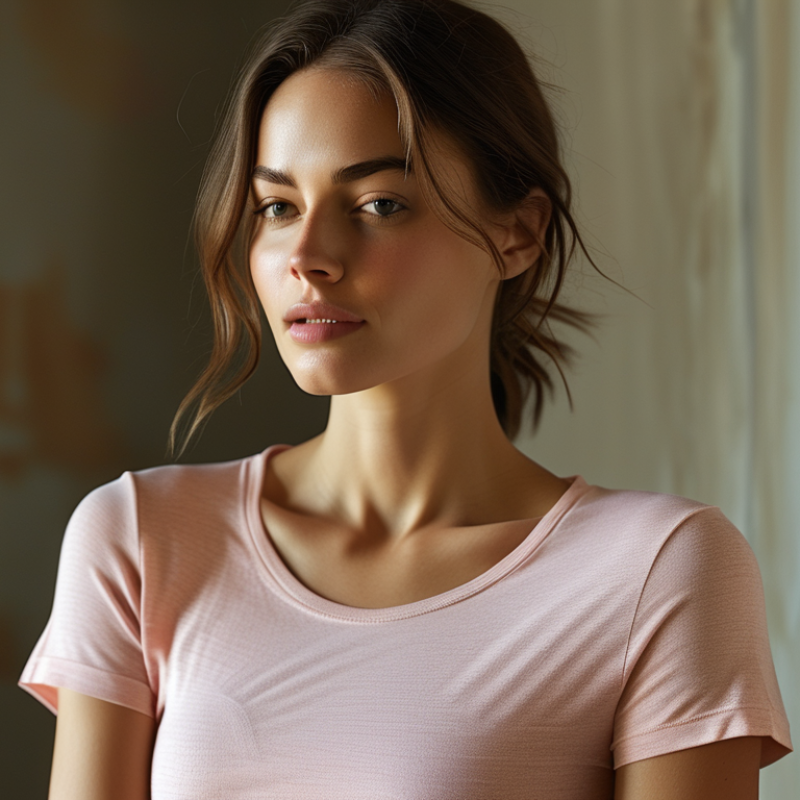
What Is the Best Type of Womens T Shirts?

Key Features That Define a High-Quality Women’s T-Shirt

What Is the Best Type of Womens T Shirts?

A high-quality women’s T-shirt starts with fabric that feels comfortable against the skin. Cotton can offer softness and breathability, while a small amount of stretch fiber may improve movement and shape recovery. Hold the shirt near a window. The fabric should not become overly transparent. It should also feel even, without thin patches or rough knots.

Construction matters just as much. Inspect the collar for smooth stitching and gentle recovery after stretching. A loose, rippled neckline may become worse after washing. Check the shoulder seams too. They should sit flat and align with the body’s natural shape. Strong side seams reduce twisting, while neatly finished hems help the shirt keep its form. These details often reveal more than a product description.

Fit remains personal, not universal. A relaxed cut may suit everyday layering, while a closer shape can look cleaner under a jacket. Try lifting your arms and sitting down. The shirt should move without pulling across the chest or riding sharply upward. I once chose a soft T-shirt with excellent fabric, but its short hem made it impractical. Comfort alone was not enough. Wash care also deserves attention. Follow the label, avoid excessive heat, and check whether the garment changes after several washes. No shirt is perfect. The best choice balances fabric, construction, fit, durability, and real daily use.
What Is the Best Type of Women's T-Shirt?

Key Features That Define a High-Quality Women's T-Shirt

How to read this chart: Midweight jersey, typically around 160–200 g/m², offers the best balance of comfort, opacity, durability, and breathability for everyday women's T-shirts. Lightweight jersey is cooler but may be more transparent, while heavyweight jersey provides greater structure and coverage.
The figures show common apparel-fabric weight ranges. Actual fabric performance can vary with fiber content, knit construction, and finishing.

Popular Women’s T-Shirt Styles and Their Best Uses

The best women’s T-shirt depends on the activity, fabric, and desired silhouette. A crew-neck T-shirt suits everyday errands, travel, and casual office layering. Its higher neckline feels neat beneath a blazer or cardigan. It is a dependable choice.

A V-neck creates visual length and works well with open shirts. Choose a shallow V for work settings and a deeper cut for relaxed evenings. The fitted T-shirt follows the body and pairs neatly with high-waisted trousers. However, sizing matters. A tight fit can highlight seams, sweat marks, and movement discomfort. The oversized T-shirt offers airflow and a modern shape. It works best with slim jeans, cycling shorts, or tucked skirts, though excessive volume can look unfinished.

For exercise, a performance T-shirt with moisture-managing fibers dries faster than ordinary cotton. A 2024 Textile Exchange Materials Market Report estimated global fiber production at 124 million tonnes in 2023, with cotton representing about one-fifth. That figure makes fabric choice worth examining, not just color. Cotton feels soft against skin and suits daily wear, while blended fabrics often improve stretch and recovery. A cropped T-shirt fits high-rise bottoms and warm-weather outfits, but it may provide limited coverage during bending or commuting. The scoop-neck style feels more feminine and relaxed, yet it can lose shape after repeated washing. Wash tests matter. My own preference has changed after noticing collar rippling and shrinking sleeves. Perfect style advice is impossible without considering body movement, climate, and laundry habits.

Choosing T-Shirt Fabrics for Comfort, Durability, and Climate

What Is the Best Type of Womens T Shirts?

Choosing a women’s T-shirt starts with climate, not appearance. Cotton jersey feels soft against skin and handles everyday washing well. However, it can hold moisture during humid commutes. Linen blends feel cooler because their looser structure improves airflow. They may wrinkle quickly. That is not always a flaw.

Textile Exchange’s Materials Market Report 2024 estimated global fiber production at about 124 million metric tonnes in 2023. Polyester represented roughly 57%, while cotton accounted for about 22%. Polyester often offers strong abrasion resistance and faster drying. It can suit travel, workouts, and rainy climates. Yet, heat and body odor may become uncomfortable without effective fabric finishing. The report also shows why fiber choice affects a much larger supply chain.

For hot, dry weather, lightweight cotton or a cotton-hemp blend can feel breathable. For humid conditions, choose a tested moisture-wicking knit with moderate stretch. AATCC TM195 evaluates liquid moisture management, including how quickly fabric spreads and dries sweat. Check those results when available. A soft shirt is not automatically a durable one. Inspect the collar recovery, seam density, and fabric weight. In my experience, very thin T-shirts feel excellent in a fitting room, then lose shape after several washes. I still sometimes choose them. Comfort can win, even when durability should matter more.

Finding the Right Fit, Cut, and Neckline for Your Body

What Is the Best Type of Womens T Shirts?

The best women’s T-shirt starts with the right fit, not the latest trend. Measure your bust, waist, and shoulder width while wearing a thin bra. A shirt should skim the body without pulling across the chest. Check the side seams. They should fall straight, not twist toward the front.

Your body shape can guide the cut, but it should not limit your choices. A relaxed fit offers comfort around the stomach and hips. A slightly shaped cut creates definition without feeling tight. If your shoulders are broad, try a softer sleeve seam and a gentle drape. Narrow shoulders may look balanced with structured sleeves. Petite frames often benefit from shorter hems. Taller bodies may need extra length for comfortable movement.

Neckline choice changes the whole appearance. A V-neck can lengthen the neck and draw attention upward. A crew neck feels classic and gives more coverage. A scoop neck creates a softer line, while a boat neck highlights the shoulders. Test each neckline in a mirror while sitting and standing. Fabric matters too. Cotton blends with moderate stretch usually recover better after washing. Thin fabric may reveal every seam. I once chose a very loose shirt for comfort, but it made my shoulders look smaller. It was comfortable, yet not quite balanced. Fit is personal. Try moving your arms before deciding.

How to Select the Best Women’s T-Shirt for Your Lifestyle

The best women’s T-shirt is not always the softest one on the rack. It should match your routine, climate, and tolerance for maintenance. For daily commuting, I look for breathable fabric and a neckline that stays flat. Sleeves should not twist during movement. Try it seated. Raise your arms, bend forward, and check whether the fabric pulls across your chest or rides above your waist.

A relaxed cut suits errands and layering, while a closer cut works under a blazer or light jacket. Do not trust the hanger alone. Shoulders should end near your shoulder bone, not halfway down your arm. In humid weather, lighter fabric and a looser weave can improve airflow. However, thin material may show wear sooner. If you wash T-shirts often, read the care instructions before buying. I once chose a very soft shirt that shrank after two washes. That mistake still shapes my choices.

For workouts, choose quick-drying fabric, but inspect the seams for rubbing. For sensitive skin, prioritize smooth seams and remove rough labels when possible. Color matters too. Dark shades can hide stains, while pale shades may feel cooler in strong sunlight. Fading still depends on washing habits. A reliable shirt keeps its shape after repeated wear, not just after the first fitting. That is the part many shoppers overlook.

What Is the Best Type of Women's T-Shirts? – How to Select the Best Women's T-Shirt for Your Lifestyle

T-Shirt Type Typical Fiber Content Key Benefits Breathability & Moisture Handling Best Lifestyle Match Main Trade-Offs Care Considerations
Cotton Jersey 100% cotton or a cotton-rich blend Soft hand feel, versatile appearance, easy to layer, and widely available in many weights Good air circulation; absorbs moisture but dries more slowly than most performance fabrics Everyday wear, casual offices, errands, and relaxed weekends Can wrinkle, shrink, or feel damp during intense activity Follow the care label; washing cold and air-drying can help reduce shrinkage
Pima or Long-Staple Cotton Long-staple cotton fibers Smooth surface, comfortable drape, and generally better resistance to pilling than shorter-staple cotton Comfortably breathable and moderately absorbent Polished daily outfits, travel, and smart-casual wardrobes Usually costs more than standard cotton and may still wrinkle Use gentle washing and avoid excessive heat to preserve softness and shape
Organic Cotton Certified organic cotton, sometimes blended with other fibers Natural feel and a familiar cotton texture; certification provides information about production standards Breathable and absorbent, with drying speed depending on fabric weight People prioritizing natural fibers and casual everyday comfort May shrink or crease; organic certification does not automatically indicate superior durability Check the certification and care label; wash with similar colors
Modal or Lyocell Blend Regenerated cellulose fibers, often blended with cotton or elastane Very soft, fluid drape, lightweight feel, and comfortable movement Breathable and moisture-absorbent; often feels cool against the skin Travel, lounge-to-street outfits, warm weather, and people sensitive to rough textures Thin fabrics may show wear or cling; shape retention depends on the blend Use a gentle cycle, avoid high heat, and reshape while damp
Synthetic Performance Knit Polyester, nylon, or a blend with elastane Lightweight, quick-drying, stretch-friendly, and often designed for active movement Moves perspiration away from the skin and dries quickly; actual performance varies by knit and finish Running, gym workouts, hiking, cycling, and hot or humid conditions May retain odor, feel less natural, or develop static Wash soon after heavy use; avoid fabric softener if the care instructions discourage it
Linen or Linen Blend Linen alone or blended with cotton, rayon, or other fibers Excellent airflow, distinctive texture, and a naturally relaxed appearance Highly breathable and comfortable in warm weather; absorbs moisture without feeling as clingy as some knits Summer wardrobes, beach trips, outdoor dining, and hot climates Wrinkles easily and may feel crisp before washing; can be less stretchy Air-dry when possible and remove promptly to reduce deep wrinkles
Merino Wool Fine merino wool, sometimes blended with nylon or elastane Temperature regulation, odor resistance, and useful performance across changing conditions Manages moisture vapor well and can remain comfortable in both cool and mild conditions Frequent travelers, hikers, commuters, and layered outdoor wardrobes Higher cost, possible sensitivity for some people, and less resistance to abrasion than heavy cotton Follow wool-specific instructions; use a cool wash and dry flat when required
Quick Selection Guide: Choose cotton for familiar everyday comfort, modal or lyocell for a soft drape, performance knit for exercise and fast drying, linen for hot weather, and merino wool for versatile travel and outdoor layering. For the best fit, also check shoulder alignment, sleeve length, neckline comfort, fabric opacity, stretch recovery, and the garment's care requirements.