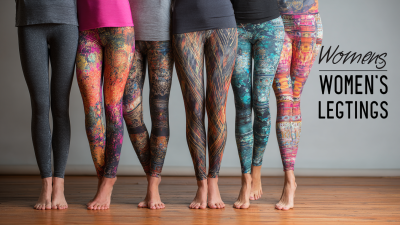
Sourcing Women's Leggings requires more than comparing prices on a supplier spreadsheet. The fabric may look smooth online, yet feel thin under warehouse lighting. A strong sourcing process examines fiber content, stretch recovery, opacity, stitching, waistband stability, and color consistency. These details shape customer trust and repeat purchases.
This guide shares ten practical tips for evaluating manufacturers and products with greater confidence. It considers fabric testing, size grading, sampling, production capacity, minimum order quantities, packaging, communication, and delivery planning. A sample should survive squats, washing, stretching, and repeated wear before approval. Look closely at flat seams, gusset construction, and the waistband after movement.
Small details matter.
Reliable suppliers should provide clear specifications and relevant quality records. Independent testing can help confirm claims about composition, colorfastness, and durability. However, certificates alone do not guarantee a suitable product. A factory may be compliant yet still miss your preferred fit or softness. That is where hands-on samples and documented feedback become essential.
Expect some uncertainty. A first sample can disappoint, even after careful discussions. Measurements may need revision, and production estimates can change. Treat these moments as useful evidence, not automatic failure. Ask precise questions, record every adjustment, and compare suppliers using the same criteria. Practical experience, transparent communication, and consistent verification create a safer path from initial concept to finished Women's Leggings.
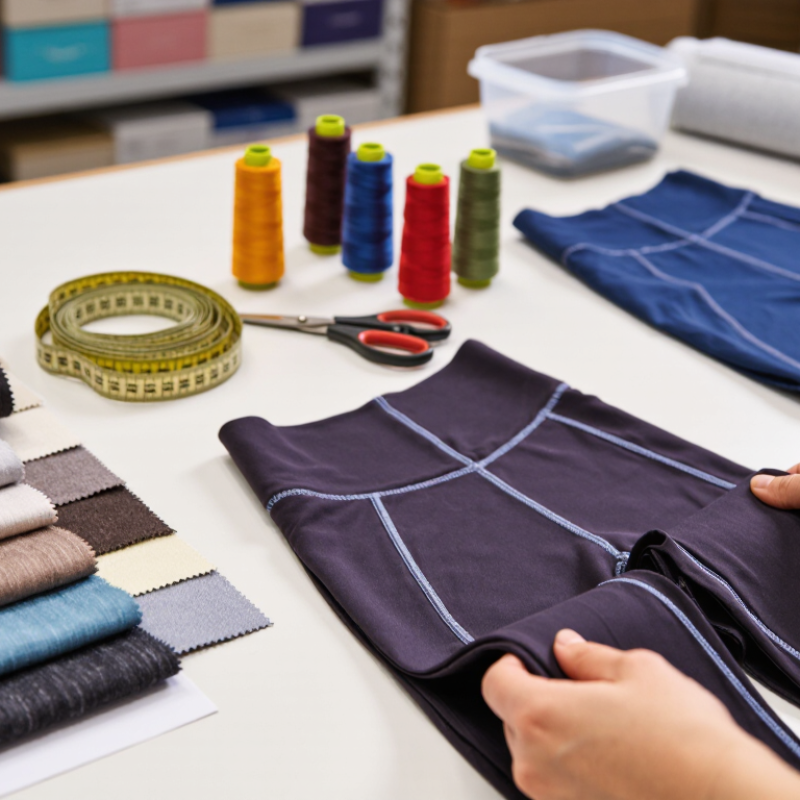
10 Tips for Sourcing Women’s Leggings
Define Your Target Market and Leggings Requirements
Start with the wearer, not the factory. Specify age, activity, climate, price range, and preferred fit. A yoga customer may need soft compression, while a runner may demand sweat control and secure pockets. McKinsey’s 2024 Sporting Goods Report expects industry growth of about 5% annually through 2028. Competition will remain intense. Your buyer profile must be narrower than “active women.”
Write a measurable product brief. Include fabric weight, stretch recovery, opacity, waistband height, inseam options, and acceptable shrinkage. For example, require squat-proof coverage under strong store lighting and recovery after repeated stretching. Textile Exchange’s 2024 Materials Market Report states that polyester represented about 57% of global fiber production in 2023. That makes recycled or blended polyester worth evaluating, but do not treat recycled content as automatic proof of quality. Ask for certification records and test reports.
Test before committing. Wear samples during walking, sitting, washing, and repeated bending. Check seam pressure after several hours. Small details matter. Request colorfastness, pilling, dimensional stability, and abrasion results from an independent laboratory. I once underestimated waistband rolling because the sample looked excellent on a mannequin. That mistake would have been expensive in production. Your specifications may still be incomplete; revise them after real wear testing, customer interviews, and supplier feedback.
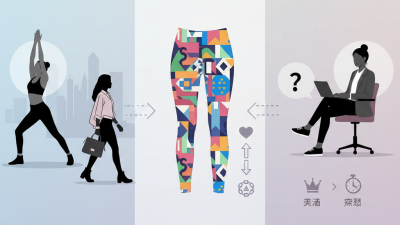
Illustrative priority scores for a mid-market, activewear-focused target customer. Higher scores indicate greater sourcing importance.
Define the target customer before requesting samples. For active consumers, fabric opacity, stretch recovery, comfort, durability, fit consistency, and moisture management should be tested alongside cost, color options, size coverage, and packaging requirements.
When sourcing women’s leggings, fabric evaluation should begin with fiber content, weight, and surface feel. A nylon-elastane blend often offers smooth recovery and reliable stretch. Polyester blends can improve moisture management and durability. Check the fabric weight, usually measured in GSM. Very light fabric may feel cool but become transparent during squats. Hold a sample against bright light. This simple test catches problems early.
Stretch must work in four directions, not only across the waistband. Pull the fabric repeatedly, then check whether it returns without ripples. Test recovery after ten minutes of tension. It should feel firm, never restrictive. Comfort depends on more than softness. Inspect the gusset, flat seams, waistband pressure, and inner-leg finishing. A rough seam can irritate skin during a long training session. Ask for samples in several sizes. One size can hide poor grading.
Performance testing should include squats, lunges, walking, and repeated washing. Look for pilling, color bleeding, odor retention, and shrinking. Place a white cloth inside the leggings during a sweat test. Dye transfer may appear before customers notice it. I once approved a soft sample that failed after three washes. That mistake changed my inspection process. Do not trust hand feel alone. Request test records for stretch recovery, colorfastness, abrasion, and fabric composition. Small details matter. Suppliers should explain testing methods clearly and provide consistent production samples.
| Tip | Evaluation Dimension | Practical Benchmark | How to Verify | Common Sourcing Risk |
|---|---|---|---|---|
| 1 | Choose the right fiber blend | Nylon–elastane blends generally provide a smooth hand feel, good abrasion resistance, and strong stretch. Polyester–elastane blends are often suitable for moisture-management and cost-sensitive performance styles. | Request the fiber composition and compare laboratory or supplier test reports with the approved sample. | A lower-cost fiber blend may feel rough, pill more easily, or lose shape faster. |
| 2 | Set an appropriate fabric weight | For many opaque active leggings, approximately 220–300 g/m² is a practical starting range. Lightweight fashion leggings may be below this range, while colder-weather styles may be heavier. | Measure fabric weight in g/m² from multiple areas of the roll and confirm consistency between lab dips and bulk production. | Fabric that is too light may become transparent or provide insufficient support; fabric that is too heavy may feel hot and restrictive. |
| 3 | Measure four-way stretch | Assess both widthwise and lengthwise extension. A fabric intended for active movement should stretch sufficiently in both directions without excessive force or fabric distortion. | Use a stretch-recovery or tensile test, record the extension percentage, and compare results before and after laundering. | High stretch without adequate recovery can cause bagging at the knees, seat, or waistband. |
| 4 | Check stretch recovery | The fabric should return close to its original dimensions after being stretched and released. Recovery performance is especially important around the knees, hips, and waistband. | Mark a measured section, stretch it under a consistent method, release it, and record residual elongation after a fixed recovery period. | Poor recovery can create a loose appearance after wear even when the initial fit is correct. |
| 5 | Test opacity during movement | The fabric should remain sufficiently opaque when the wearer squats, bends, and stretches. Dark colors and higher fabric coverage do not automatically guarantee opacity. | Conduct a squat and bend test under bright lighting in the intended size range, including the lightest planned color. | Sheer areas may appear when the fabric is stretched beyond its normal relaxed state. |
| 6 | Evaluate comfort and hand feel | Look for a soft, smooth surface, low friction, and sufficient breathability for the intended activity. Avoid fabric that feels stiff, scratchy, sticky, or excessively warm. | Use wear trials with different body types and activity levels, and record feedback after sitting, walking, stretching, and exercise. | A comfortable fabric in a static fitting may cause irritation or overheating during extended wear. |
| 7 | Inspect moisture-management performance | For training or running styles, prioritize quick wetting, spreading, and drying characteristics rather than relying only on fiber names or marketing descriptions. | Request moisture-management testing or compare timed drying and absorbency results under the same conditions. | A fabric may feel breathable but still retain sweat or dry slowly after washing. |
| 8 | Review pilling and abrasion resistance | The required durability level should match the use case. Yoga, lounge, training, and outdoor leggings experience different levels of rubbing and surface wear. | Perform standardized pilling and abrasion tests, then inspect high-friction areas such as the inner thighs and seat after laundering. | Soft, brushed surfaces can be more vulnerable to pilling if the yarn, construction, or finishing is not well controlled. |
| 9 | Check construction and waistband stability | The waistband should lie flat, stay in place during movement, and avoid excessive pressure. Seams should be smooth and secure, especially at the crotch and inner leg. | Conduct movement trials, measure waistband extension and recovery, and inspect seam strength, skipped stitches, and seam allowance consistency. | An unstable waistband can roll down, while overly tight construction can restrict movement or cause discomfort. |
| 10 | Validate colorfastness and care durability | Color should withstand laundering, perspiration, and friction according to the product's intended use. Dimensional change should remain within the approved tolerance after care testing. | Wash samples according to the proposed care label, then evaluate color change, color transfer, shrinkage, seam distortion, and stretch recovery. | Dark dyes, heat, aggressive detergents, and incorrect care instructions can lead to fading, staining, or loss of elasticity. |
A leggings supplier should prove more than a polished sample. Request recent test reports for stretch recovery, colorfastness, pilling, seam strength, and fabric composition. Test samples from different production lots, not only the best piece. Textile Exchange’s Materials Market Report 2024 estimates global fiber production reached 124 million tonnes in 2023, with polyester representing about 57%. This scale makes traceability essential, especially when recycled fibers are claimed. Ask for transaction certificates, laboratory names, and batch records. Documents can be incomplete.
Capacity deserves the same scrutiny. Compare the supplier’s monthly output with machine numbers, staffing, lead times, and current orders. A factory promising 100,000 pairs may lack enough cutting tables or finishing staff. Require a pilot order, in-line inspections, and final random checks. Ethical standards must be visible on the factory floor. The International Labour Organization and WHO estimate 2.93 million workers die annually from work-related causes worldwide, a reminder that safety cannot be treated as paperwork. Review wage records, working-hour logs, fire exits, chemical storage, and grievance channels. Independent audits help, but they are only snapshots. Speak privately with workers when possible, and document corrective actions with deadlines. If a supplier refuses evidence, walk away. Sometimes the cheaper quote hides the expensive risk.
Sourcing women’s leggings requires more than comparing the quoted unit price. I have found that a lower price can hide expensive details, such as custom labels, packaging, fabric testing, or shipping. Ask suppliers for a complete cost sheet. Compare fabric weight, stretch recovery, stitching, trims, sample fees, and payment terms. A $6 pair may become $9 after these additions. Keep every quote in the same currency and request identical specifications.
Tip 1: Confirm the minimum order quantity before requesting samples. Some factories accept 100 pieces per color, while others require 500 pieces per style. A smaller order may cost more per unit, but it reduces unsold inventory. Ask whether the minimum applies to each size, color, or total order. This detail matters. One mistake can tie up your cash.
Tip 2: Build a realistic production timeline. Samples may take 7–14 days, while bulk production can require 25–45 days after approval. Add time for fabric sourcing, size corrections, quality checks, and transport. During my own sourcing reviews, delays often came from late sample feedback, not factory speed. Confirm the production start date in writing. Also ask for a completion estimate, inspection window, and shipping schedule. I once underestimated holiday delays; the leggings arrived after the selling season. That was avoidable. A better plan includes buffer time, especially for custom fabrics or multiple colors.
Test samples before discussing a bulk order. A sample should reveal more than appearance. Check fabric weight, stretch recovery, waistband pressure, seam strength, and opacity under bright light. Wear the leggings during walking, squats, and sitting. Then wash them according to the planned care label. Measure the waistband again after drying. Small changes matter.
Tip 1: Record every measurement. Compare the sample with your approved size chart, including inseam length and rise.
Tip 2: Inspect stitching closely. Loose threads, twisted seams, or uneven hems may become larger production problems. I once focused too much on softness and missed weak stitching near the gusset. That mistake was avoidable.
Packaging needs its own sample review. Ask for the final polybag, carton size, folding method, labels, stickers, and barcode placement. Confirm whether each pair needs individual packaging or grouped packing. Request photographs of packed cartons, not only empty packaging. Check that colors and sizes are easy to identify.
Tip 3: Approve a sealed packaging sample before production.
Tip 4: Confirm carton measurements and shipping marks in writing. A small label error can slow warehouse receiving.
Do not rely on memory. Send the signed sample details with the purchase order, then request a pre-shipment inspection before accepting the full quantity.