The search for the Top Womens Jogger and Track Pants Manufacturers starts with evidence, not attractive catalog images. Women’s Jog&Track Pants now sit between performance apparel and everyday clothing. Their success depends on fabric recovery, waistband comfort, stitching quality, and dependable production capacity.
Grand View Research valued the global athleisure market at approximately USD 358 billion in 2023. Its report also projected strong growth through 2030. However, athleisure is broader than joggers and track pants. The figures should not be treated as direct category sales. That distinction matters when comparing manufacturers.
McKinsey & Company and the World Federation of the Sporting Goods Industry have also reported continued demand for versatile sportswear. Consumers increasingly expect one garment to move from morning walks to casual offices. Small details become visible. A twisted drawcord, uneven hem, or thin pocket lining can damage trust quickly.
Matt Powell, a sports-industry analyst formerly associated with The NPD Group, described the wider movement simply: “Athleisure is not a fad; it’s a lifestyle.” His observation remains useful, although it does not replace factory-level verification. Supplier selection should include sample testing, audit records, material certificates, minimum order quantities, and communication performance.
The strongest Women’s Jog&Track Pants manufacturers are not always the largest exporters. Some smaller factories offer better pattern development and faster revisions. Others lack stable dyeing capacity. That is the uncomfortable part. A polished website proves very little.
This guide compares manufacturers through product expertise, sourcing reliability, customization options, compliance practices, and delivery consistency. Industry reports provide direction. Physical samples provide reality.
Women’s jogger and track pants manufacturers usually fall into several practical categories. Cut-and-sew factories build garments from approved patterns, fabrics, and measurement charts. They suit buyers who already understand fit requirements. Their teams can adjust waistband height, pocket depth, and ankle openings with useful precision.
Private-label manufacturers offer a broader service. They may develop tech packs, source fabric, create samples, and attach custom labels. This option helps emerging fitness and lifestyle companies reduce coordination work. Ask for a sample before placing a large order. A drawcord can look correct on paper but twist during movement.
Performance-focused manufacturers work with technical materials. They commonly handle moisture management, four-way stretch, brushed interiors, and flatlock seams. These details matter when joggers are worn for running, training, or long travel days. Some factories also provide testing records for colorfastness, shrinkage, and seam strength. Records help, but they should not replace physical inspection.
Small-batch manufacturers are useful for limited collections and fit testing. They often accept lower minimum quantities, though unit costs may be higher. Full-package manufacturers manage design, sourcing, production, and packing under one process. This can save time, but communication must remain precise. Sustainable manufacturers may use recycled fibers, low-impact dyes, or audited production systems. Claims need documentation, not attractive wording. I have seen promising samples fail after washing. Therefore, evaluate fabric recovery, stitching density, size consistency, and delivery reliability across more than one production run. No factory is perfect. The right choice depends on product complexity, order volume, testing needs, and the level of control required.
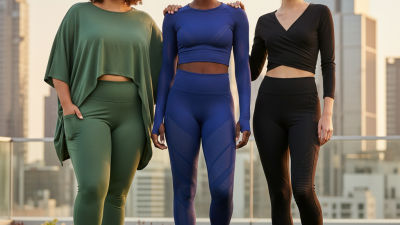
Leading women’s activewear manufacturers combine technical design with dependable production. Grand View Research valued the global activewear market at approximately USD 412.9 billion in 2023. This growth increases pressure on suppliers to improve comfort, fit, and delivery accuracy.
Fabric performance matters. High-quality joggers should manage moisture, resist pilling, and recover after repeated stretching. Manufacturers should test waistband pressure, seam strength, colorfastness, and shrinkage before bulk production. A useful pair feels secure during squats, yet remains comfortable at a desk. Fit testing across different body shapes is essential. One sample size is not enough.
Reliable manufacturers also document material origins, factory conditions, and inspection results. The Textile Exchange Materials Market Report tracks rising demand for recycled and lower-impact fibers, but sustainability claims still require evidence. Certifications, laboratory reports, and traceable purchase records strengthen credibility. Production audits can reveal weak stitching or inconsistent sizing early. Still, no factory is perfect. Even strong suppliers may miss a measurement or delay a shipment. Buyers should review corrective-action records, not only polished samples. Clear communication, repeatable quality controls, and realistic capacity estimates often separate experienced partners from inexpensive but risky suppliers.
When comparing women’s jogger and track pants manufacturers, start with fiber evidence, not catalog photos. Textile Exchange’s Materials Market Report 2024 recorded global fiber production at about 124 million tonnes in 2023. Polyester represented roughly 59% of output. This makes recycled polyester a relevant sourcing question, but not an automatic quality guarantee. Ask for transaction certificates, recycled-content percentages, and the exact yarn composition. A supplier should also explain whether cotton is certified organic, recycled, or conventional.
Check fabric performance in practical conditions. Request test results for pilling, colorfastness, dimensional stability, abrasion, and seam strength. ISO 12945-2 supports pilling assessment, while ISO 105-C06 evaluates colorfastness to domestic washing. These tests matter after repeated gym use, not only after one laboratory wash. For fleece joggers, inspect brushed surfaces, waistband recovery, drawcord security, and shrinkage after laundering. Small failures become visible quickly.
Production standards deserve equal attention. ISO 9001 can indicate a documented quality system, but it does not prove ethical production or durable garments. The International Labour Organization reports that textile and garment work remains highly labor-intensive, so factory audits should include worker interviews and corrective-action records. Compare wastewater controls, chemical management, energy records, and traceability beyond the sewing floor. I would be cautious with vague “eco” claims. They sound polished. They may still lack evidence. A useful supplier scorecard should record test methods, sampling dates, factory locations, and unresolved defects before approving bulk production.
Top Womens Jogger and Track Pants Manufacturers?
How to Evaluate Manufacturer Quality and Capacity
Choosing a women’s jogger and track pants manufacturer requires more than reviewing product photos. Request fabric swatches, size samples, and a detailed production timeline. Check whether stitching remains even after washing, especially around pockets, waistbands, and inseams. A reliable factory should explain fabric weight, fiber content, shrinkage, and colorfastness with test records.
Capacity must match your real order plan, not an impressive number on a sales sheet. Ask about monthly output, machine types, workforce size, and current production commitments. Visit the facility when possible. Observe cutting tables, sewing lines, inspection areas, and finished-goods storage. A factory may produce large volumes but still struggle with smaller custom orders. That detail is often overlooked.
Tips: Request a pilot order before scaling. Measure ten random pieces, not one. Compare measurements against your approved size chart. Ask how defects are recorded and corrected. Review packaging, labeling, and shipment checks. Keep written specifications for every revision.
Experience also matters when designs include brushed fleece, stretch jersey, drawcords, or reflective details. Ask for examples of similar construction, without relying on photographs alone. A supplier might promise flexible capacity, yet seasonal demand can create delays. I would allow extra time for sampling and rework. Even careful teams make mistakes. The important question is whether they identify problems early, communicate clearly, and provide evidence of correction.
A practical manufacturer scorecard should combine quality control, production capacity, delivery reliability, compliance, and development capability. The benchmark scores below use measurable sourcing criteria and can be adapted during factory audits.
Interpretation: Quality consistency, production capacity, and on-time delivery should receive the highest attention because they directly affect product performance, order fulfillment, and retail availability. Verify each score with factory records, inspection reports, production plans, and compliance documentation.
Choosing the right women’s jogger and track pants manufacturer requires more than comparing prices. Your manufacturer must understand fit, comfort, fabric behavior, and production consistency. I once reviewed samples that looked attractive online but twisted after washing. Samples reveal reality. Request several sizes, not only one perfect piece. Check waist recovery, pocket strength, seam finishing, drawcord security, and color accuracy under natural light.
A reliable manufacturer should explain fabric composition, GSM, shrinkage testing, minimum order quantities, and production timelines clearly. Ask how they manage grading between sizes. Poor grading can make a comfortable small size feel restrictive in larger sizes. Review their quality records and request recent production references. Factory communication also matters. Slow or vague replies may become costly during revisions. However, even experienced suppliers can make mistakes, so keep written specifications and approve a pre-production sample. My own preference is a transparent factory over the cheapest quotation. That choice is not always financially perfect, but it usually reduces surprises.
Tips: Compare at least three manufacturers using the same technical brief. Ask for test reports and inspection procedures. Confirm fabric availability before placing an order. Discuss realistic deadlines, including sampling and corrections. Keep a reserve for unexpected adjustments. A beautiful prototype means little if the final batch varies in measurements, shade, or stitching quality.
| Evaluation Dimension | Practical Benchmark | Why It Matters for Women's Joggers and Track Pants | Questions to Ask the Manufacturer |
|---|---|---|---|
| Product Development Capability | Dedicated pattern development, tech-pack review, fitting samples, and pre-production approval. | Women’s bottoms require accurate grading, rise proportions, waistband comfort, and movement testing. | Can you provide pattern, grading, fitting, and sample-revision support? |
| Minimum Order Quantity | Small-batch programs commonly begin around 100–300 pieces per style or color; larger factories may require higher volumes. | A lower MOQ reduces inventory risk when testing new fits, colors, or seasonal collections. | Is the MOQ calculated by style, color, fabric, or total order quantity? |
| Typical Production Lead Time | Approximately 30–60 days after material approval for repeatable styles; custom fabrics or trims can extend the schedule. | Reliable lead times support launch planning, replenishment, and seasonal inventory control. | What are the sample, fabric-sourcing, bulk-production, and shipping timelines? |
| Fabric Options | Common options include cotton fleece, French terry, polyester-spandex, nylon-spandex, recycled polyester, and cotton blends. | Fabric choice affects drape, warmth, stretch recovery, moisture management, pilling, and retail positioning. | Can you provide fabric composition, weight, stretch-recovery, pilling, and shrinkage data? |
| Fabric Weight | Lightweight active styles often use approximately 150–220 GSM; midweight fleece and terry commonly use approximately 240–360 GSM. | GSM influences opacity, warmth, structure, shipping weight, and the perceived quality of the garment. | Will the finished fabric GSM remain within an agreed tolerance after washing? |
| Fit and Size Range | A commercial range may include XS–XXL or extended sizing, with a documented measurement chart and graded patterns. | Consistent fit across sizes improves customer satisfaction and reduces returns. | How are grading rules, tolerance measurements, petite, tall, and extended sizes handled? |
| Construction Quality | Review seam strength, overlock quality, coverstitch consistency, bartacks, waistband recovery, drawcord security, and pocket construction. | Joggers experience repeated stretching, washing, sitting, and active movement in high-stress areas. | Which in-line and final inspections are used for seams, measurements, and workmanship? |
| Performance Testing | Useful tests include colorfastness, dimensional stability, pilling, abrasion, seam strength, and stretch recovery. | Testing helps verify that the product performs after repeated wear and laundering. | Are test reports available from an independent laboratory, and which test methods are used? |
| Sustainability Documentation | Relevant evidence may include OEKO-TEX Standard 100, Global Recycled Standard, organic-fiber certifications, or verified supply-chain records. | Documented claims are more credible than general statements about being “eco-friendly.” | Can you provide current certificates, scope details, transaction records, and certificate numbers? |
| Social and Ethical Compliance | Look for current third-party social-audit reports or recognized management systems covering labor, safety, working hours, and wages. | Responsible sourcing protects the brand from avoidable legal, reputational, and supply-chain risks. | Which facility is audited, when was it audited, and can the report or corrective-action plan be reviewed? |
| Color and Trim Development | The supplier should support lab dips, color standards, matching thread, elastic, drawcords, labels, and approved trim samples. | Color consistency and trim coordination are important for a cohesive women’s collection. | How are color approvals recorded, and what happens if bulk production does not match the approved standard? |
| Quality Control System | Prefer documented inspection procedures, measurement tolerances, defect classification, needle control, and final random inspection. | A repeatable quality system is more dependable than relying only on a final visual check. | Can you share the inspection checklist, acceptable quality limit, and defect-resolution process? |
| Pricing Transparency | A complete quotation should separate garment cost, fabric, trims, sampling, packaging, testing, tooling, and shipping terms. | Transparent costing makes supplier comparisons more accurate and reduces unexpected charges. | Which costs are included, what can change, and how long is the quotation valid? |
| Communication and Documentation | Expect clear tech-pack comments, production calendars, approval records, shipping documents, and a named account contact. | Good documentation reduces misunderstandings between design, sourcing, production, and logistics teams. | What is your approval workflow, response time, and process for handling changes? |
| Best-Fit Supplier Profile | Choose based on verified product capability, quality consistency, MOQ, compliance, communication, and total landed cost—not price alone. | The right partner should match the brand’s product complexity, order volume, target customer, and growth plan. | Can you provide relevant samples, references, factory details, certifications, and a written production plan? |
Note: Lead times, MOQs, fabric weights, and testing requirements are indicative industry benchmarks and should be confirmed in writing for each style, material, destination market, and production order.