How to Choose the Best Women's Leggings Supplier
Choosing the right Women's Leggings supplier affects more than the purchase price. It shapes fit consistency, delivery reliability, and the experience customers have after opening a package. A polished product photo cannot show whether seams twist after washing or fabric turns sheer when stretched. Details matter. Buyers need evidence they can check, not just confident sales language.
A useful evaluation begins with clear product specifications, such as fabric composition, size measurements, color standards, and stitching requirements. Request samples in several sizes, then inspect them under ordinary lighting and after repeated washing. Ask how the supplier handles production delays, defects, and repeat orders. Review recent references where possible, and confirm that any stated certifications apply to the relevant facility and product. A low quote can look reassuring. It is not enough. Compare like with like, including minimum order quantities, sampling fees, packaging, and shipping terms. A sample may still flatter the supplier’s best work, so consider how quality is checked across a full production run. No checklist removes every risk. The goal is to make informed decisions, identify unanswered questions early, and choose a partner whose communication and production standards remain dependable as your business grows.
Define Your Leggings Product Requirements and Target Market
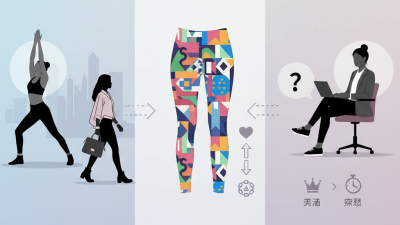
Before contacting a women’s leggings supplier, define the wearer, use case, and price range. Will customers wear leggings for studio classes, running, travel, or everyday errands? Each use changes the brief. A runner may need secure pockets and opaque fabric under a deep squat; a lounge customer may prefer a softer handfeel and a higher-rise waistband. Write down fabric composition, compression level, inseam options, size range, colors, and acceptable sample defects. Specifics help suppliers quote apples to apples.
Grand View Research estimated the global activewear market at USD 406.0 billion in 2023, with projected annual growth of 9.3% from 2024 to 2030. This is a broad category, not a leggings-only forecast, but it signals varied demand. Segment your target market by activity, climate, body-fit expectations, and spending power. For example, lightweight, quick-drying fabric may suit hot-weather training, while brushed interiors may appeal to cooler climates. These are hypotheses, not guarantees. Test them with customer interviews or small wear trials.
Turn the brief into measurable checks: stretch recovery after repeated wear, opacity in a squat test, seam comfort during movement, and color consistency across samples. Ask how the supplier handles grading between sizes and fabric-lot variation. A size chart alone is not enough. I learned that the hard way: a sample can fit beautifully, yet feel restrictive after an hour. Decide which compromises your customer will accept before approving production.
Identify Supplier Types and Match Them to Your Business Needs
Start with your order, not a supplier’s sales pitch.
A direct manufacturer may suit a business planning repeat runs and custom colors, waistbands, or fabric weights. Ask about minimum order quantities, sample fees, production timelines, and whether the quoted price includes labels and packaging. These details change the real cost.
A wholesaler or stock supplier can be a better fit for a small shop testing a few sizes and colors. Ready-made leggings often ship faster, but options for fit and fabric may be limited. A sourcing agent can help compare factories or coordinate samples, though their fee and role should be clear. Get responsibilities in writing. That part is easy to overlook.
Match the supplier to your selling model. A new online store might begin with a small stock order, then review sales before committing to custom production. A studio needing consistent compression across seasons may prefer a manufacturer that documents fabric composition, measurements, and batch checks. Request a physical sample and test it after washing; a soft first impression is not enough. Check stitching at the inner thigh and waistband recovery. One flaw can be costly. It is easy to focus on unit price and miss inconsistent sizing. Comparing samples against a simple measurement sheet takes time, but it can prevent an expensive mismatch.
Evaluate Fabric Quality, Construction, and Customization Capabilities
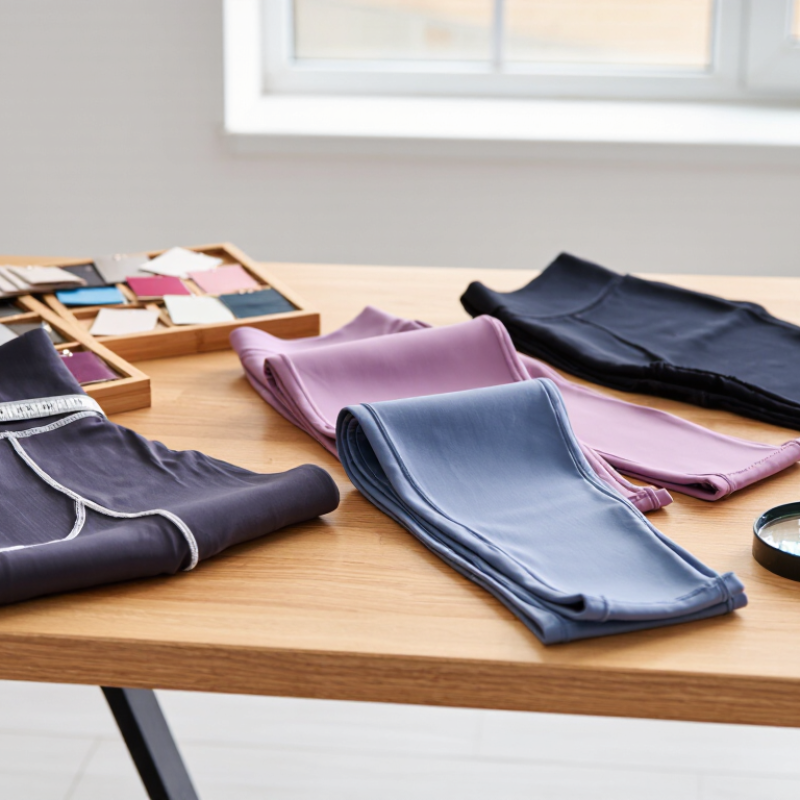
A fabric swatch can feel soft on a desk and still perform poorly during a workout. Ask suppliers for fabric composition, weight, stretch recovery, and care instructions. Then request a sample and wear it through a few squats and washes. Does it become sheer under tension? Does the waistband roll? Small details matter. For leggings, compare fabric against the intended use: brushed materials may feel warm, while lighter knits can suit training in warmer conditions.
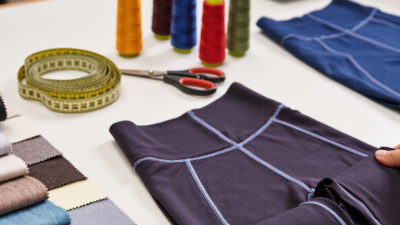
Inspect construction, not just the overall appearance. Check whether seams lie flat, stitching stays even, and the gusset allows comfortable movement. Gently pull the seams and look for skipped stitches or loose threads. Ask how the supplier checks fabric consistency between production batches. A polished sample is useful, but it is not proof that every order will match. I have seen buyers focus too much on the sample’s first impression; that is an easy mistake to make.
Customization should be specific and documented. Discuss size grading, color matching, waistband height, pocket placement, and label options before approving production. Request a revised sample when a change affects fit or function. Also confirm minimum order quantities, sample costs, and realistic lead times in writing. A supplier may say a feature is possible, but the details can change the price or schedule. Clear answers are more useful than broad promises.
Verify Supplier Reliability, Compliance, Pricing, and Lead Times
When choosing a women’s leggings supplier, ask how they manage repeat orders, not just the first sample. Request recent customer references and inspect a sample for waistband recovery, seam strength, and opacity under stretch. A neat sample is useful. It is not proof of consistent bulk production. Ask whether the same fabric and sewing process will be used for your order, and how defects are recorded and corrected.
Check compliance against the markets where you plan to sell. Request current fabric test reports and documentation for fiber content, colorfastness, and restricted substances, where relevant. Confirm that reports match the actual fabric and production site; a certificate with the wrong scope offers little reassurance. Requirements can vary, so verify details with a qualified local adviser. Paperwork is easy to overlook. I would not rely on a supplier’s verbal assurance alone.
Compare itemized quotes, including minimum order quantities, labels, packaging, samples, and shipping. Ask what could change the price after approval, such as fabric substitutions or exchange-rate adjustments. Then request a production schedule with dates for material booking, cutting, sewing, inspection, and dispatch. Leave room for delays. A supplier promising an unusually fast turnaround may still be worth considering, but ask what capacity is reserved for your order and how updates are shared when a milestone slips.
Test Samples and Confirm the Supplier Before Placing an Order
A sample can reveal problems that a product sheet cannot. Ask the supplier to make a pair using the fabric, color, and construction planned for your order. Wear them through a normal day, then wash them according to the care instructions. Check whether the waistband rolls, seams twist, or fabric turns sheer when stretched. Compare the sample measurements with your size chart, especially the rise and inseam. Small differences matter.
Keep notes and photos, and send clear corrections before approving a production sample. Ask who will handle changes and how the approved version will be identified. Then confirm practical details in writing: unit price, minimum order quantity, lead time, packaging, and payment schedule. Request a recent production reference or a video call to see the workshop and discuss quality checks. A polished sample is not proof that every bulk item will match. Ask how defects are recorded and handled, and retain an approved sample for comparison. I have learned that one round of testing may miss issues that appear after repeated washing. It is tempting to rush. Don’t. If answers are vague or changes keep shifting, pause and reassess before placing the order.
How to Choose a Women's Leggings Supplier
Illustrative sample evaluation scores on a 1–5 scale
Test samples for fabric consistency, stitching, opacity, stretch recovery, and size accuracy. Confirm communication and lead-time expectations with the supplier before placing an order. Scores shown are illustrative; use your own sample test results.